
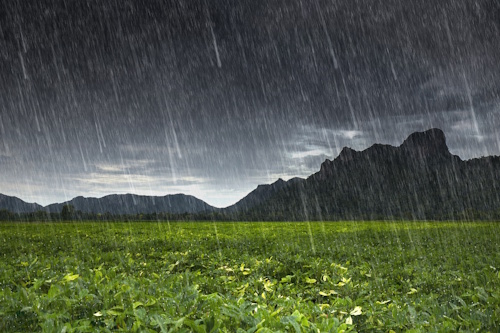
For many owners with a hotel for sale in Asia, the rainy season may seem like the wrong time to enter the market. Tourist traffic softens, beach towns become quieter, and many hotel and restaurant owners postpone important business decisions until high season returns.
But experienced hospitality investors often think differently.
In reality, the off-season can be one of the most strategic times to sell a hotel, resort, restaurant, beach club, or guesthouse in Asia. While many owners wait for full terraces, perfect weather, and peak occupancy, quieter months can create exactly the kind of environment serious buyers are looking for.
Especially across Southeast Asia, where seasonality is deeply connected to hospitality operations, the rainy season often reveals far more about a business than high season ever could.
Less Competition Creates More Visibility
During peak season, hospitality marketplaces are flooded with listings. Boutique hotels, restaurants, bars, villas, and resorts all compete for the same buyer attention.
The rainy season changes that dynamic.
With fewer businesses entering the market, serious listings gain more visibility and less direct competition. Buyers are able to focus more carefully on operational quality, financial structure, location potential, and long-term scalability instead of reacting emotionally to seasonal momentum.
For sellers, this creates an opportunity to present a business in a calmer and more strategic environment.
Serious Buyers Don’t Only Buy Sunshine
One of the biggest misconceptions in hospitality real estate is the idea that properties should only be presented under perfect conditions.
Professional investors often prefer the opposite.
A hotel or restaurant that performs reasonably well during slower months can be significantly more attractive than a business that only appears successful during peak tourism periods. Rainy season inspections reveal operational resilience, management quality, staffing stability, maintenance standards, and local demand patterns much more clearly.
Infrastructure suddenly matters. Drainage systems, roofing quality, humidity management, supplier reliability, and operational discipline become visible. These are not glamorous topics, but they are exactly the details experienced hospitality buyers evaluate before committing to a long-term investment.
In many cases, high season hides weaknesses. Low season exposes the true business model.
Operational Resilience Has Become Part of the Value
Hospitality businesses across Asia increasingly operate in a market shaped by climate variability, changing travel behavior, rising operational costs, and shifting guest expectations.
Because of this, resilience itself has become a selling point.
A property that remains operationally stable during heavy rain, slower occupancy periods, or temporary tourism fluctuations sends a strong signal to potential buyers. It demonstrates that the business is not built purely around seasonal highs, but around sustainable operations and long-term management quality.
For investors, this matters enormously.
If a hospitality business can maintain healthy systems during challenging months, the upside potential during high season becomes even more attractive.
The Rainy Season Allows Better Preparation
For many owners, high season leaves little time for strategic work. Daily operations dominate the schedule, staff management becomes more intense, and guest expectations require constant attention.
The quieter months create breathing room.
This is often the ideal moment to organize financial records, review operational structures, prepare documentation, complete maintenance projects, optimize branding, and prepare the business properly before entering the market.
Well-prepared hospitality transactions create confidence. And confidence plays a major role in buyer decisions.
The rainy season also allows sellers to present the results of the previous high season clearly and professionally while the current operational slowdown is already expected and understood within the market cycle.
Discretion Becomes Easier to Maintain
For many hospitality operators, confidentiality is one of the most underestimated aspects of selling a business.
During peak season, discreet buyer meetings, operational audits, or property walkthroughs quickly become visible to staff, suppliers, or returning guests. In hospitality environments where teams work closely together every day, rumors spread fast – and uncertainty inside the operation can create unnecessary tension.
The quieter season offers a very different environment.
With fewer guests, reduced operational pressure, and less daily traffic throughout the property, owners are able to conduct serious discussions with investors far more discreetly. Sensitive financial conversations, site inspections, and transition planning can happen calmly and professionally without disrupting the guest experience or creating instability within the team.
For many sellers, the rainy season is not only operationally easier. It is strategically safer.
Smart Buyers Use the Off-Season Strategically
Experienced hospitality investors rarely think only about current occupancy. They think in timelines.
For buyers entering the Asian hospitality market, the rainy season creates the ideal operational runway before the next tourism cycle begins. Acquiring a property during quieter months gives investors time to complete due diligence, finalize contracts, restructure operations, renovate key areas, train staff, improve digital visibility, and reposition the business before peak season returns.
This timing advantage is often underestimated.
A transaction completed during the rainy season may provide four to six months of preparation before the next high season begins. That window can determine whether a new operator enters the market strategically prepared – or loses an entire revenue season to bureaucracy, staffing challenges, delayed renovations, and operational onboarding.
In many parts of Asia, hospitality transitions are rarely instantaneous. Lease structures, permits, supplier agreements, staffing adjustments, and administrative processes all require time and coordination.
The off-season gives buyers that time.
Rather than fighting operational chaos during peak occupancy, investors can stabilize systems carefully, analyze cost structures realistically, build liquidity buffers, and enter high season with a fully functioning operation already in place.
Local Demand Strengthens Long-Term Confidence
Tourism flows can change quickly. Weather events, airline adjustments, economic uncertainty, and geopolitical developments all influence travel patterns across Asia.
That is why many investors increasingly pay attention to local demand.
A restaurant, café, beach club, or hotel that attracts loyal local customers during quieter months demonstrates something highly valuable: stability beyond tourism cycles.
Recurring local guests suggest that the concept works independently of temporary travel trends. For buyers, this reduces perceived risk and strengthens long-term confidence in the business model.
Transparency Builds Trust
One of the strongest signals a seller can send is transparency.
Showing a hospitality business during less-than-perfect weather conditions demonstrates confidence in the operation itself. Buyers appreciate honesty. They want to understand how the business performs during slower periods, not only during moments of peak demand.
A well-managed property that remains organized, financially stable, and operationally efficient during the rainy season often leaves a stronger impression than a perfectly staged high-season viewing.
Professional hospitality investors understand that successful businesses are not built on sunshine alone.
They are built on systems, consistency, adaptability, and operational discipline.
The Hospitality Market in Asia Is Becoming More Sophisticated
Across Southeast Asia and other tourism-driven regions, hospitality investments are evolving rapidly.
Buyers are no longer evaluating properties based only on location and aesthetics. They increasingly analyze operational efficiency, climate resilience, staffing structures, maintenance quality, local market positioning, digital visibility, and long-term scalability.
This shift is changing how hospitality businesses should be presented to the market.
And in many cases, the rainy season provides the most realistic environment to demonstrate these strengths.
Final Thoughts
Selling a hotel, restaurant, resort, or hospitality business during the rainy season does not necessarily mean selling at a disadvantage.
For many owners, it may actually be the smartest strategic window of the year.
With fewer competing listings, more preparation time, greater discretion, and buyers focused on long-term fundamentals rather than seasonal emotion, the off-season can create highly productive conversations and surprisingly strong opportunities.
The rainy season may slow tourism temporarily.
But for experienced hospitality investors, it is often exactly when the most serious decisions begin.
Hospitality transactions are often more complex than traditional real estate sales.
For many owners, discretion, flexibility, and industry-specific visibility matter just as much as reach. Instead of placing hospitality businesses into crowded mass-market environments, more operators are beginning to look for platforms focused specifically on hospitality concepts, investor relevance, and long-term positioning.
Hogahero is being built around exactly that idea.
List your hotel, resort, restaurant, or hospitality business on Hogahero and connect with a more hospitality-focused audience.