A cultural product entering global hospitality
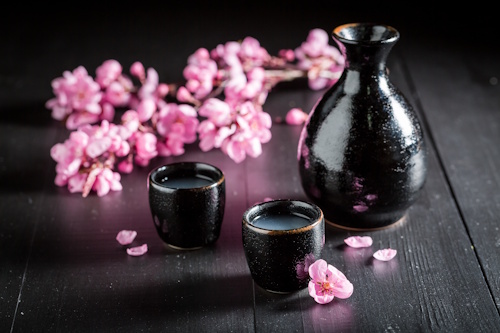
Sake in hospitality is emerging as a refined and versatile element within modern restaurant culture. Once deeply rooted in Japanese culinary tradition, this rice-based beverage is now gaining traction across international dining concepts — from fine dining restaurants to contemporary fusion formats.
At Hogahero, we observe a growing integration of culturally distinctive products into global hospitality concepts as operators seek differentiation through authenticity and experience.
Brewed from polished rice, water, and koji mold, sake follows a fermentation process that differs fundamentally from wine production. The result is a product with pronounced umami and lower acidity, allowing it to complement rather than dominate delicate dishes — a key advantage in modern gastronomy.
Sake in hospitality: expanding beyond traditional cuisine
While historically associated with Japanese dishes, sake is increasingly being integrated into global menus. Its versatility allows it to pair with a wide range of ingredients and preparation styles.
Lighter, drier profiles complement seafood, vegetables, and minimalist cuisine, while more complex varieties work alongside grilled meats, fermented components, and rich flavor structures. Unlike wine, sake’s lower acidity makes it particularly effective in pairing scenarios where subtle flavors need to be preserved.
Another operational advantage lies in service flexibility. Sake can be served chilled, at room temperature, or warm, allowing restaurants to adapt offerings seasonally and conceptually without changing the core product.
In addition, sake does not require highly specialized service rituals. In modern hospitality, it is frequently presented in standard wine glasses, lowering operational barriers and making integration into existing service structures straightforward.
Culinary integration as a strategic concept
The introduction of sake extends beyond beverage selection. It enables the development of structured guest experiences that combine product knowledge, pairing strategies, and cultural context.
Restaurants can integrate sake through curated pairings, thematic menus, or guided tasting formats. This creates a differentiated positioning and allows operators to move beyond standard beverage programs toward experience-driven dining concepts.
From a business perspective, sake programs can also offer attractive margins. Compared to traditional wine programs, storage requirements are more flexible, and curated selections allow for controlled inventory management and pricing strategies.
Boutique hotels and design-focused restaurants, in particular, can leverage this approach to create distinctive offerings that combine education, storytelling, and sensory experience.
Cultural storytelling as a value driver
Contemporary hospitality increasingly relies on narrative depth. Sake provides a strong foundation for this, as its production process and heritage offer multiple layers of storytelling.
The technical aspects of rice polishing, fermentation, and brewing traditions can be translated into guest-facing experiences. This transforms sake from a beverage into a cultural touchpoint that enhances perceived value.
Such positioning aligns with current demand patterns, where guests prioritize authenticity, craftsmanship, and meaningful engagement over standardized offerings.
Business opportunities in the sake segment
For founders and investors, sake in hospitality represents a flexible entry point into experience-driven concepts.
Potential formats include tasting-focused venues, hybrid retail and hospitality spaces, and restaurants built around pairing-driven menus. Collaborations with importers or specialized producers can further strengthen positioning and product differentiation.
This segment benefits from relatively low entry barriers compared to full-scale concept development, while still allowing for strong branding and premium positioning.
Sake as an indicator of broader hospitality shifts
The increasing global presence of sake reflects a wider transformation within the industry. Hospitality is moving toward concepts that combine cultural depth with operational flexibility.
Rather than remaining confined to its origin, sake demonstrates how traditional products can be repositioned within international markets. This dynamic is likely to expand as operators continue to explore culturally grounded yet globally adaptable formats.
Innovative beverage concepts like these can directly influence the perceived value and positioning of a hospitality business, particularly in competitive urban markets.
Looking to buy, sell or position a hospitality business?
Hogahero connects curated hospitality assets, operators and opportunities.
→ Create a listing