For decades, the buffet stood for one thing above all: abundance. A wide selection, minimal waiting time, and operational efficiency made it a cornerstone of hotel dining across segments. Yet somewhere along the way, the model lost its edge. What once symbolized variety began to signal excess, inconsistency, and waste.
Today, the buffet is undergoing a quiet but significant transformation. Not as a nostalgic revival, but as a strategic redesign.
From Abundance to Intentionality
The traditional buffet was built around scale. Large quantities, broad selection, and standardized preparation allowed properties to serve high volumes with relative efficiency. Particularly in breakfast service, this model proved highly effective.
But scale came at a cost. Overproduction, declining perceived quality, and a lack of engagement gradually reshaped guest perception. What remained was convenience – but little sense of experience.
Modern hospitality is shifting away from this logic. Guests are no longer drawn to quantity alone. They are looking for intention, transparency, and a sense of connection to what they consume. Freshness, timing, and visible preparation replace static abundance.
Where the Reinvention Began
In parts of Asia, the buffet never lost its relevance. Instead, it evolved. Luxury properties in cities such as Hong Kong, Singapore, and Bangkok transformed buffet dining into a curated experience, combining live cooking, premium ingredients, and interactive presentation.
These formats did not rely on abundance as a signal of value. They relied on quality, theatre, and freshness. And in doing so, they redefined expectations.
This approach is now influencing buffet concepts globally.
From Self-Service to Engagement
The modern buffet no longer operates as a static display. It is dynamic, flexible, and increasingly centred around interaction.
Live cooking stations, made-to-order dishes, and visible preparation processes introduce a level of transparency that traditional formats lacked. Guests are no longer passive participants. They engage, observe, and choose in real time.
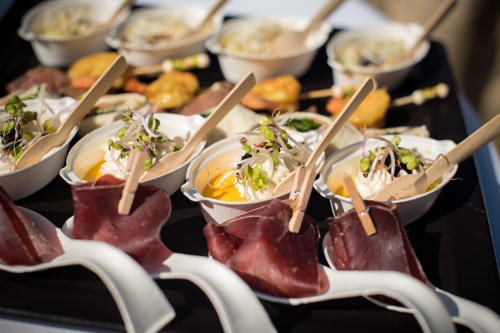
At the same time, these environments are inherently visual. Market-style layouts, open kitchens, and curated presentation create moments guests are inclined to capture and share. What was once a functional dining format becomes a source of organic visibility – extending the experience beyond the table into digital channels.
The result is not less choice, but more relevance.
Operational Reality Meets Experience Design
Beyond guest expectations, the buffet’s reinvention is also driven by operational necessity. Staffing shortages continue to shape decision-making across the industry.
Modern buffet formats allow for a more strategic allocation of staff. Rather than focusing on repetitive service tasks, teams can concentrate on guest interaction, live preparation, and quality control.
The model shifts from labour-heavy service to experience-led efficiency. Done correctly, this improves both cost structure and perceived service quality.
Sustainability as a Structural Shift
Perhaps the most important transformation lies in how buffets address waste.
Traditional formats often relied on overproduction as a safeguard. Today, that logic is being replaced by more adaptive systems. Smaller production cycles, demand-based replenishment, and flexible portioning reduce excess without compromising availability.
At the same time, data plays an increasingly important role. Predictive analytics and AI-supported tools allow operators to forecast consumption patterns with greater accuracy, aligning production more closely with actual demand.
Sourcing becomes more visible as well. Seasonal products, local supply chains, and transparent ingredient communication are increasingly integrated into the dining experience itself.
In some cases, pricing models are evolving. Pay-by-weight concepts or adjusted pricing across service windows introduce a more direct relationship between consumption and value.
Sustainability, in this context, is no longer an add-on. It is embedded in the operational design.
Technology and Hybrid Models
Technology plays a supporting but important role in this evolution. Digital ordering systems, QR-based menus, and time-slot reservations help manage flow, reduce congestion, and improve the overall experience.
At the same time, hybrid models are emerging. Rather than choosing between buffet and à la carte, properties are combining elements of both. A curated buffet base complemented by made-to-order dishes allows for flexibility without overwhelming the guest.
This hybridisation reflects a broader shift: hospitality formats are becoming less rigid and more adaptive.
Designing for Atmosphere and Deceleration
The physical environment of buffets is changing just as significantly. Traditional layouts prioritised capacity and flow. Contemporary concepts focus on atmosphere and pace.
Open kitchens, market-style layouts, natural materials, and layered lighting create a setting that encourages guests to slow down rather than move through quickly. The experience shifts from consumption to exploration.
This deceleration is not incidental. It is intentional. It reduces perceived stress, increases dwell time, and enhances overall satisfaction.
The buffet becomes part of the brand experience, not just a functional offering.
A Strategic Opportunity, Not a Legacy Format
Reimagining the buffet is not about fixing a broken model. It is about recognising an underutilised one.
When aligned with current expectations – quality, transparency, sustainability, and experience – the buffet becomes a flexible and economically viable format. It addresses operational challenges, supports brand positioning, and creates new revenue potential.
Instead of viewing the buffet as a legacy requirement, forward-thinking operators see it as a canvas for brand identity.
The question is no longer whether the buffet is outdated.
It is whether it has been fully leveraged as the strategic asset it truly is.
Looking to sell your hotel or restaurant? Create a listing on Hogahero and reach a targeted hospitality audience.