HOGAHERO
  • Home
  • Properties
    • Featured Listings
    • Off-Market Portfolio
    • Sell a Property
    • For Investors
  • Careers & Talent
    • Find Jobs
    • Post a Job
  • Magazine
    • Hospitality Trends & Innovation
      • Concepts & Innovation
      • Sustainability
      • Food & Beverage Culture
    • Business & Growth
      • Succession & Sales
      • Branding & Marketing
      • Management & Strategy
    • Travel & Culture
      • Global Insights
      • Destination Dining
    • Trade Shows & New Hospitality Products
  • My Dashboard
    • Create account
    • Login
    • Add Property
  • Contact
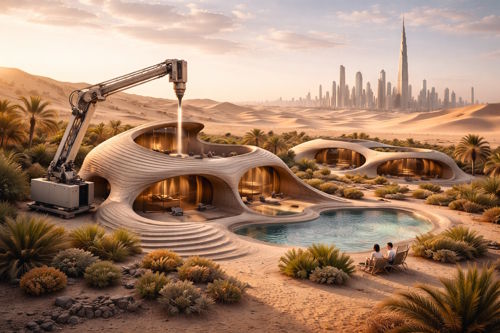
3D-printed eco-resort villas in a desert near Dubai with organic architecture, a small robotic printing arm, and a pool at sunset.

Hospitality Reimagined: What 3D-Printed Hotels Could Mean for the Future of Hospitality

Concepts & Innovation

It sounds like science fiction: buildings rising from the ground, layer by layer, shaped not by bricks and mortar, but by software, sand, and precision. Yet this is no longer a distant vision. 3D-printed architecture has moved beyond experimental labs and pilot projects – and is steadily entering real landscapes, real markets, and real balance sheets. Hospitality is beginning to take notice.

At first glance, the idea still feels unfamiliar, even risky. Can a hotel printed from soil and concrete truly compete with traditional construction? Will it feel solid, comfortable, and inviting? But beyond this initial skepticism lies a far more relevant question for today’s industry: what if this technology is not merely an alternative building method, but a strategic response to some of hospitality’s most pressing challenges?

From Building to Printing – A Shift in How Hospitality Is Conceived

3D-printing in construction works by layering material – often a blend of cement, natural elements, or recycled compounds – based on a digital blueprint. What makes this approach transformative is not speed alone, but freedom. Curves, domes, organic shapes, and sculptural forms can be realized without the cost escalation typically associated with complex architecture.

For hospitality developers, this represents a shift in mindset. Instead of adapting an experience to a predefined structure, buildings can now be shaped around emotion, flow, and storytelling. Architecture becomes part of the guest journey rather than a neutral container. This is no longer theory. In Marfa, Texas, the iconic desert hotel El Cosmico is being expanded with 3D-printed guest units in collaboration with ICON, one of the world’s leading construction-printing firms. The project demonstrates how additive manufacturing can support experiential hospitality in remote environments while significantly reducing construction time and material waste.

What is particularly notable is that these developments are not limited to loosely regulated markets. In Heidelberg, Europe’s largest 3D-printed building has already been completed – a fully approved data center built under strict German construction regulations. While not a hotel, it serves as a powerful proof point: 3D-printed structures can meet demanding safety, compliance, and engineering standards, even in conservative regulatory environments.

Efficiency, Labor, and Time-to-Market – The Emerging Business Case

Hospitality is, at its core, a people business – but construction has become increasingly constrained by labor shortages. Skilled workers are scarce, costs are rising, and project timelines are stretching. This is where 3D printing introduces a compelling economic argument.

Construction-grade 3D printing requires significantly fewer workers on-site, shifting labor from manual execution to planning, programming, and supervision. Structural shells that would traditionally take weeks can, in some cases, be printed within days. While printable materials such as specialized concrete or clay mixtures may be more expensive per unit, the precision of the process drastically reduces waste, often offsetting higher material costs through efficiency and predictability.

For developers and operators, the strategic advantage lies not only in cost comparison, but in speed and certainty. Faster construction means earlier openings, reduced financing pressure, and greater resilience in volatile markets.

Beyond the Shell – How Printed Buildings Actually Function

A common misconception is that 3D printing solves only the outer shell of a building. In practice, modern systems allow for a high level of technical integration. Conduits for electricity, plumbing, ventilation, and data infrastructure can be printed directly into the walls. This requires close collaboration between architects, engineers, and interior planners from the earliest design stages – a shift from linear construction workflows to fully integrated project teams.

From a comfort perspective, printed structures often perform surprisingly well. Thick walls provide strong thermal mass, stabilizing indoor temperatures and reducing energy demand. Organic geometries can support passive airflow and natural ventilation, contributing to a calmer indoor climate. Acoustics, insulation, and interior finishes remain design choices rather than limitations of the printing process.

Regulation, Insurance, and the Reality Check

Despite rapid progress, honesty is essential. The construction industry is conservative for a reason: safety, liability, and longevity matter. In many European countries, 3D-printed buildings still require case-by-case approvals. Standards are emerging, but harmonization is ongoing. Insurance providers are increasingly open to printed structures, though classifications and premiums may differ from conventional masonry, particularly in hospitality use.

These hurdles are not signs of failure, but of transition. As more projects are completed, data accumulates, and regulations evolve, barriers are expected to decrease – much as they once did for modular construction and timber high-rises.

What Guests Ultimately Experience

From the guest’s perspective, the impact of 3D-printed hospitality is tangible rather than technical. Spaces can be individually shaped without linear cost increases, allowing for what designers call “mass customization.” Rooms feel unique rather than standardized. Architecture becomes emotional.

Storytelling also gains a new dimension. Hotels built from local sand, earth, or recycled materials turn sustainability into something visible and memorable. The building itself becomes part of the narrative – a powerful differentiator in an experience-driven market where authenticity matters more than ever.

A Question of Mindset, Not Machinery

Ultimately, 3D-printed hotels are not about machines. They are about mindset. They challenge long-standing assumptions about how hospitality spaces are created and invite the industry to rethink the relationship between design, sustainability, and economics.

The most compelling hospitality concepts have always emerged from bold questions. What if this wasn’t just a hotel, but a statement? What if architecture became part of the conversation? What if sustainability shaped identity, not just operations?

The future of hospitality will belong to those willing to explore new materials, new methods, and new narratives. Because the future doesn’t simply arrive. It gets built – one deliberate decision at a time.

Guest resting peacefully in a hotel bed, representing sleep-focused hospitality and restorative travel.

The Rise of Luxury Sleep Hotels – A New Era of Restful Travel

Concepts & Innovation

In a world shaped by constant connectivity, performance pressure and overstimulation, sleep has quietly become one of the most valuable resources of our time. What was once considered passive downtime is now recognized as a cornerstone of physical health, mental clarity and long-term performance. As awareness around exhaustion, burnout and recovery grows, the hospitality industry is responding with a new concept: luxury sleep hotels.

These properties are not built around entertainment, packed itineraries or visual spectacle. Instead, they place restorative sleep at the very center of the guest experience, redefining what luxury travel means in an era of chronic fatigue.

An Industry Responding to the Exhaustion Economy

Modern travel often mirrors modern life – fast, fragmented and demanding. For many guests, even leisure trips fail to deliver genuine recovery. This growing gap between travel and restoration has created fertile ground for sleep-focused hospitality concepts.

Luxury sleep hotels respond directly to what some experts describe as an “exhaustion epidemic.” They are designed for guests who no longer measure value by activities completed, but by how they feel the morning after. Rest is no longer a side effect of travel – it is the product itself.

The Science of Silence and Circadian Design

Unlike traditional wellness hotels, sleep-focused properties are increasingly informed by sleep science and neuroscience. Central to this approach is the circadian rhythm – the body’s internal clock that regulates sleep, hormone release and energy levels.

Many sleep hotels now integrate human-centric lighting systems that adjust throughout the day, reducing blue light exposure in the evening to support natural melatonin production. Acoustic engineering replaces decorative silence with scientifically designed sound environments, minimizing disruptive frequencies rather than simply lowering volume.

Temperature regulation plays a similarly critical role. Subtle control over room climate allows guests to reach optimal sleep conditions without conscious intervention. In this context, technology serves a quiet, almost invisible function – supporting biology rather than stimulating attention.

A Hotel Experience Designed Entirely Around Rest

While comfort has always been part of hospitality, sleep hotels elevate it to a curated discipline. Rooms are optimized for deep rest through soundproofing, blackout systems, custom mattresses and carefully selected materials that reduce sensory overload.

Beyond the physical environment, many properties offer personalized sleep rituals. These may include guided breathing sessions, meditation, light-based relaxation programs or optional sleep coaching. Rather than overwhelming guests with choice, the experience is intentionally simplified – fewer inputs, fewer decisions, fewer disruptions.

Even the traditional minibar is being rethought. In its place, guests encounter sleep kits, pillow menus or calming evening rituals designed to signal the nervous system that rest is the priority.

Sleep Food and the Culinary Dimension of Rest

Sleep does not end at the bedroom door. Nutrition has become an integral part of sleep-centric hospitality, giving rise to the concept of “sleep food.”

Some luxury sleep hotels now offer evening menus designed to support rest, featuring magnesium-rich ingredients, low-glycemic meals and the absence of stimulants. Herbal teas, adaptogenic infusions and carefully timed dining replace heavy late-night meals. The goal is not indulgence, but preparation – creating the physiological conditions for restorative sleep.

This holistic approach reinforces the idea that sleep hotels are not wellness add-ons, but fully integrated ecosystems of recovery.

The Psychological Shield: Permission to Disconnect

Beyond biological triggers and physical design, sleep hotels provide a crucial psychological service: permission to rest. In a society that often equates busyness with worth, many guests struggle to fully relax without feeling unproductive or guilty.

Sleep-focused hospitality actively removes this pressure. By reframing rest as the central purpose of the stay, these hotels give guests explicit permission to do nothing. In this environment, stillness is not a failure, but the goal. This psychological reframing is essential, as genuine recovery requires not only physical calm, but also mental release from performance-driven expectations.

Global Icons and Early Pioneers

While still a niche, sleep-focused hospitality is no longer theoretical. Pioneers across Europe have begun translating these principles into tangible experiences.

The Hästens Sleep Spa in Portugal, for example, places sleep at the center of the stay, offering guests the opportunity to rest on handcrafted mattresses valued at tens of thousands of euros. In London, select luxury hotels have introduced sleep concierges who tailor sleep environments and routines to individual guests, addressing jet lag and urban overstimulation with precision rather than pampering.

These examples serve as social proof that sleep tourism is evolving beyond concept into viable, premium hospitality offerings.

Silent Luxury and the End of Visual Excess

Sleep hotels embody a broader shift toward what is often described as quiet or silent luxury. In contrast to traditional markers of status – marble bathrooms, gold fixtures or overt branding – modern luxury increasingly manifests through absence.

Absolute silence, digital detox, electromagnetic calm and uncluttered spaces are becoming the new symbols of exclusivity. In this context, luxury is no longer something that draws attention, but something that removes friction.

Sleep hotels align perfectly with this philosophy, offering guests not more stimulation, but less – and doing so with intention and precision.

The Economic Shift: Return on Sleep

From a business perspective, sleep-focused hospitality introduces a compelling metric: Return on Sleep (ROS). Guests are increasingly willing to pay a premium for guaranteed rest and recovery, particularly business travelers and high-performance professionals.

Rather than evaluating value through room size or amenity count, guests assess outcomes – clarity, energy, focus and well-being the next day. For hoteliers and investors, this shift opens new opportunities. Sleep-centric concepts often require less space than traditional wellness resorts, involve fewer operational complexities and maintain year-round relevance.

Existing boutique hotels, urban properties and nature retreats can reposition around sleep without extensive structural changes, making the model particularly attractive for adaptive reuse and repositioning strategies.

The Challenge: Beyond Gadgetry

However, the success of sleep hospitality depends on more than high-end mattresses and circadian lighting systems. The industry faces a critical challenge: behavioral integration.

Even the most advanced sleep technology loses its effectiveness if guests remain tethered to blue-light-emitting screens late into the night. The most successful sleep hotels therefore go beyond offering “sleep gadgets.” They curate habits.

Digital detox, gentle education and environmental cues work together to guide guest behavior without coercion. The future of the segment lies in this holistic approach, where technology supports – but does not replace – conscious lifestyle design.

Sleep as the New Luxury Currency

Luxury is evolving. Where excess once defined aspiration, recovery now signals status. Sleep hotels sit at the intersection of this transformation, offering an experience that feels both deeply personal and culturally timely.

As travelers increasingly seek spaces that allow them to disconnect, recalibrate and genuinely recover, sleep-focused hospitality is poised to become one of the most meaningful shifts in the industry.

In a future where attention is scarce and energy is valuable, the ability to sleep well may become the ultimate luxury offering.

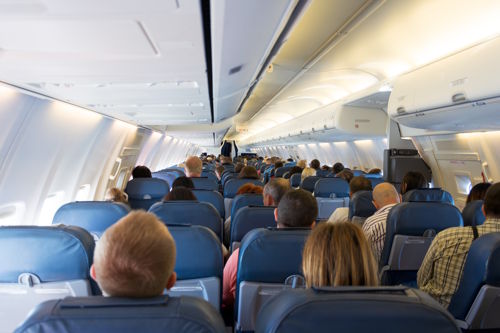
Crowded airplane cabin with rows of passengers, symbolizing mass travel and standardized travel experiences.

Boutique Hospitality Wins in a World of Mass Tourism

Concepts & Innovation

In a global hospitality market increasingly dominated by large hotel chains, sprawling resorts, and standardized concepts, a different model is quietly gaining strength. Boutique hospitality is emerging as a compelling alternative for both travelers and operators who value individuality, flexibility, and long-term sustainability.

While boutique hotels, guesthouses, and independent restaurants are not new, their relevance has grown significantly in recent years. Shifting guest expectations and changing market dynamics are creating favorable conditions for smaller, more intentional hospitality concepts to thrive.

For small and mid-sized hospitality entrepreneurs, boutique operations offer more than differentiation. They provide a strategic advantage in an industry that increasingly rewards authenticity over scale. Many travelers have experienced the opposite end of the spectrum already: standing in a hotel lobby that could just as easily be in Shanghai, Berlin, or Dubai. A familiar environment, efficient and polished, yet quickly forgotten. Boutique hospitality begins where this sense of interchangeability ends.

Authentic Experiences Matter More Than Ever

Modern travelers are no longer satisfied with experiences that feel interchangeable across destinations. They are looking for places with character, atmosphere, and a clear connection to their surroundings.

This search reflects a deeper motivation. In a world shaped by digital repetition and curated images, guests long for moments that feel real and unfiltered. They seek discovery, human connection, and stories that cannot be replicated or staged. Boutique hospitality responds to this desire by offering experiences that feel grounded, personal, and genuinely tied to place.

Independent hotels and restaurants are uniquely positioned to deliver this. They can reflect local culture, architecture, and traditions in a way that standardized properties rarely achieve. From interior design using regional materials to menus built around local ingredients, boutique businesses often tell a story that guests actively want to be part of.

This sense of authenticity transforms a stay or a meal into a personal experience. Guests remember it, talk about it, and return for it.

Personal Service Creates Real Loyalty

One of the most powerful strengths of boutique hospitality lies in personal service. Smaller operations allow staff to engage with guests on an individual level, understand preferences, and anticipate needs in ways that large-scale properties struggle to replicate.

Equally important is the sense of intimacy boutique environments provide. With fewer rooms or seats, guests enjoy quieter spaces, more privacy, and a relaxed atmosphere. Many describe the experience as closer to staying in a private home or retreat than visiting a commercial property.

The distinction goes beyond service quality. While large chains often deliver excellent service through standardized processes, boutique hospitality creates relationships. Staff members are not just service providers, but storytellers, local experts, and human points of connection. This human dimension is what turns satisfaction into loyalty and visitors into returning guests.

Freedom for Guests and Operators

Boutique hospitality offers flexibility that appeals to modern travelers. Unlike large resorts with fixed schedules, standardized entertainment, and rigid dining times, boutique properties give guests the freedom to shape their stay around their own rhythm.

Guests can explore local neighborhoods, choose where and when they dine, and engage with the destination beyond the hotel walls. Many boutique operators actively encourage this, positioning their property as a gateway to local life rather than a self-contained bubble.

For operators, flexibility is equally valuable. Without corporate brand restrictions, boutique businesses can adapt quickly, experiment with new concepts, and collaborate with local creatives, producers, or cultural institutions. This agility allows them to stay relevant and distinctive in a fast-changing market.

Strong Economics Beyond Size

Operating on a smaller scale does not mean weaker financial performance. Many boutique hospitality businesses achieve strong profitability through focused positioning, efficient use of space, and smart pricing strategies.

By targeting clearly defined guest segments, such as couples, wellness travelers, cultural tourists, or business retreats, boutique operators often achieve higher revenue per room or seat than mass-market competitors. Guests are willing to pay for quality, exclusivity, and experience.

Local sourcing can further strengthen economic resilience. Working with nearby suppliers often reduces costs, shortens supply chains, and reinforces the property’s unique identity while supporting the local economy.

Clear Brand Identity Builds Visibility

In an increasingly crowded hospitality market, clarity matters. Boutique hospitality businesses have the advantage of defining precise brand identities that speak directly to their audience.

Instead of trying to appeal to everyone, successful boutique operators focus on a distinct vision. Whether it is an eco-conscious retreat, a design-led urban hideaway, or a restaurant centered on modern regional cuisine, the goal is not scale, but substance.

This focused positioning builds trust, recognition, and a loyal following over time.

A Resilient Model for the Future

Recent global disruptions have highlighted structural strengths within the boutique model. Smaller properties often adapt faster, manage guest flow more effectively, and implement changes with less operational friction.

At the same time, growing awareness around sustainability, community engagement, and responsible travel favors businesses that operate with intention. Boutique hospitality aligns naturally with these values and is well positioned to benefit from long-term shifts in traveler behavior.

Boutique Hospitality Is Not Smaller, It Is Smarter

Boutique hospitality is not defined by size, but by mindset. It prioritizes experience over volume, identity over uniformity, and meaningful connection over mass appeal.

As travelers, we increasingly decide who deserves our time and attention. More often than not, this choice favors places that offer more than accommodation or dining. It favors those that tell a story, create connection, and leave a lasting impression.

At Hogahero, we support independent hospitality visions worldwide. Whether you are buying, selling, or developing your next concept, we help bring boutique hospitality projects to life.

Dog enjoying fresh air with its head out of a car window, symbolizing freedom, travel and the growing demand for pet-friendly hospitality.

Pet-Friendly Hospitality Meets Apartment-Style Living – Why This Hybrid Concept Could Reinvent Hotels in a Challenging Market

Concepts & Innovation

Across Europe, the past summer brought a wave of frustration among hoteliers and restaurateurs. Rising operational costs, labor shortages, unpredictable demand and shifting travel patterns all contributed to a sense of stagnation. Even destinations that once relied on strong seasonal performance reported softer bookings and lower guest spending. As the market recalibrates, one question has become increasingly urgent: where will the next wave of opportunity come from?

One emerging answer lies not in luxury add-ons or bold architectural statements, but in something far more connected to everyday life. Around the world, a growing number of travelers are no longer looking for a classic hotel room. They want space, privacy, comfort and a sense of continuity with their home routines. And for a rapidly expanding segment of them, that includes bringing their pets.

The convergence of apartment-style hospitality and pet-friendly living may well be one of the most overlooked growth directions in today’s hospitality landscape.

A Lifestyle Shift Hotels Can No Longer Ignore

The rise of pet-friendly travel has been steady for years, but the pandemic accelerated a deeper behavioral change. More households adopted pets, more people began working remotely and more travelers started shaping their habits around comfort rather than traditional tourism cycles. For many, the idea of leaving a pet behind while traveling has become emotionally and logistically unattractive.

As a result, guests increasingly expect hotels to offer more than simple permission. They are looking for spaces that reflect the rhythms of daily life with an animal: easy outdoor access, washable surfaces, enough room to move comfortably and the option not to live, dine and sleep in a single multipurpose room. This expectation aligns naturally with apartment-style or extended-stay concepts, where separate bedrooms, kitchens and living areas are already standard.

Once viewed as purely functional, apartment-style hotels now meet a lifestyle demand that classic hotel rooms simply cannot fulfil.

What Pet Owners Truly Value

Pet owners who travel bring not only a companion but also a set of responsibilities. They want a hotel environment that respects safety, cleanliness and predictability. Rooms with hard floors instead of carpets, easy access to green spaces, staff who know how to welcome animals responsibly and clear policies that avoid misunderstandings are all essential. Transparency matters: unclear rules or hidden fees are among the strongest deterrents.

These expectations reflect a desire for trust and normalcy. Hotels that meet them often benefit from longer stays, more loyal guests and a higher willingness to pay for convenience. In a market defined by occupancy volatility, long-stay travelers with pets offer something increasingly valuable: stability.

Why This Hybrid Concept Gains Weight in a Weak Tourism Climate

Europe’s tourism landscape is entering a new phase. Last-minute travel, inflation, shifting weather patterns and decreased consumer confidence all influence booking behavior. Many hotels across Germany, Austria, Italy, France and Spain reported disappointing summer results, and traditional pricing strategies lost effectiveness.

This is precisely why apartment-style, pet-friendly concepts are becoming strategically relevant. They appeal to a fundamentally different demand segment: long-stay travelers, relocating professionals, digital nomads, families in transition and couples seeking comfort and autonomy. These guests do not travel according to weather conditions – they travel according to life conditions.

When combined with thoughtful pet-friendly amenities, these hotels attract a resilient demographic far beyond classic leisure tourism.

Opportunity for Renovation and Repositioning

For owners and investors, the current market may be difficult, but it also offers a window of opportunity. Many older properties in suburban or secondary locations struggle with positioning. Repositioning them as apartment-style, pet-friendly hotels can provide a clear identity, stronger visibility and more predictable occupancy.

This transformation does not require extravagant redesigns. Adjusting room layouts, improving flooring, enhancing outdoor spaces, redefining housekeeping workflows and introducing structured pet policies can already shift how a property is perceived. More importantly, this strategy creates a narrative that resonates with today’s travelers: hospitality that mirrors real life.

A Natural Fit for Europe’s Changing Travel Patterns

Europe, with its high pet ownership and strong domestic travel culture, is uniquely positioned for this model. Families between homes, professionals on temporary assignments, digital workers seeking calmer environments and older travelers preferring comfort over complexity all generate steady year-round demand. For them, apartment-style living combined with pet-friendly hospitality is not a luxury, but a practical, emotional and financial fit.

As seasonal tourism becomes less predictable, hybrid concepts offer hotels a protective buffer and diversify their guest base.

Hospitality Shaped by Real Life

The desire for space, autonomy and the inclusion of pets reflects a broader cultural shift: travelers want to bring their lives with them, not leave them behind. In an industry searching for new paths to growth, this evolution offers more than a trend – it offers direction.

For hoteliers and investors ready to rethink outdated layouts, reposition underperforming assets and align with modern expectations, the combination of apartment-style hospitality and pet-friendly services may become one of the most compelling opportunities of the decade – especially in markets where traditional tourism models are no longer enough.

Meditation in nature at sunrise – symbol of hidden luxury, privacy and wellness in hospitality

The New Face of Luxury Hospitality – From ‘To Have’ to ‘To Be’

Concepts & Innovation

For decades, luxury in hospitality was synonymous with excess. Crystal chandeliers, oversized suites, golden bathtubs, and fleets of supercars defined what it meant to be part of the top tier of global travel. In the 1990s, this image of “bling-bling luxury” began to lose its allure. As wealth became more widely accessible, material displays were no longer enough to set the truly affluent apart. Exclusivity, the timeless core of luxury, had to find a new expression.

Today, that expression is no longer about what guests possess but about how they feel. The evolution toward New Luxury is transforming the market: from material extravagance to immaterial values such as time, privacy, well-being, and authenticity. This shift is not merely cosmetic. It is a structural redefinition of what hotels must deliver to remain relevant in the high-end segment.

From Material to Immaterial

At the heart of this transformation lies the understanding that exclusivity has taken on new dimensions. Guests now search for experiences that cannot be replicated, commodified, or instantly posted on social media. Access to untouched landscapes, a sense of safety in a hyper-exposed digital world, and the feeling of being known without having to explain have become the new markers of privilege.

This is the age of Hidden Luxury: discreet sanctuaries where privacy and anonymity are the ultimate indulgences. For many ultra-high-net-worth individuals, true luxury today may mean something as simple – yet rare – as walking through a city unnoticed, shielded from the glare of public exposure.

Sensorial Luxury

In a world oversaturated with noise, screens, and constant stimuli, guests increasingly value balance across all senses. Luxury hotels are beginning to respond by creating spaces that stimulate calm rather than overwhelm. Silence, touch, and scent are elevated to the same importance as visual design. From circadian lighting that respects the body’s rhythms to materials chosen for their tactile qualities, sensorial curation has become a new frontier in hospitality.

Toward Spiritual Well-Being

Perhaps the most profound dimension of New Luxury is the rise of spiritual well-being. More than spas or wellness treatments, this is about creating environments where body, mind, and soul can align. Here, hotels act less as entertainers and more as facilitators of transformation. The role of the property is to craft the conditions for reflection, balance, and renewal – enabling guests to step closer to their personal sense of fulfillment. Luxury, in this light, evolves from “to have” into “to be.”

What This Means for Hoteliers

For hoteliers, the implications are both practical and far-reaching. The modern definition of exclusivity demands not only new services but also a new philosophy of guest experience.

Hyper-personalized service has replaced traditional formality. The so-called “invisible concierge” ensures that a guest never has to repeat themselves: the pillow they preferred last time is already waiting, dietary preferences are discreetly respected, and even digital boundaries can be managed on request through a “digital detox concierge.” True luxury is when a guest’s time and attention are treated as their most precious assets.

At the same time, sustainability has become non-negotiable. High-end travelers – particularly Millennials and Gen Z – expect hotels to be transparent and accountable. Farm-to-table dining is no longer enough; guests want assurance that their stay contributes positively, whether through reduced footprints, partnerships with local artisans, or investment in conservation. Here, the true privilege lies in not having to question the ethics behind any choice.

Food and beverage, too, has entered a new era where culinary experience is measured by wellness and intimacy as much as by sophistication. Menus that support sleep, balance, or immunity are gaining traction. Non-alcoholic pairings are no longer alternatives but equal counterparts to wine and cocktails. And dining experiences thrive when they are intimate and unexpected – in a hidden garden, at the chef’s table, or even with a local host.

Finally, technology has stepped back into the background. It is still essential – high-speed connectivity is a given – but true luxury lies in discretion. Guests value the ability to switch off every screen in their suite with a single button, to bathe their room in light that supports natural rhythms, or to coordinate every element of their stay via an app, while still having the option to engage personally if they wish. Technology, in this sense, becomes a silent enabler of comfort, not a spectacle.

Conclusion

The definition of luxury hospitality is shifting from material symbols to immaterial values, from possession to transformation. Hotels that will shape the future are those that understand luxury not as a display of wealth, but as the art of creating rare experiences: time reclaimed, privacy protected, senses balanced, and meaning rediscovered.

For the modern traveler, the greatest indulgence is no longer gold or marble – it is the feeling of being at ease, unseen, and fully themselves.

  1. Reviving History: Why Transformed Buildings Are Reshaping the Hospitality Landscape
  2. Containerhotels: Flexible Hospitality Concepts for Founders, Not Just Developers
  3. Turn Your Hotel into an Adventure Destination for Families
  4. Small Hotel, Big Experience: Creative Touches That Turn Stays into Stories

Page 1 of 2

  • 1
  • 2
  • Privacy Policy
  • Image Credits
  • Legal Notice
  • Terms & Conditions
  • FAQ
  • Advertising Options
  • Service Partners
  • Brokers Welcome
  • Submit Press Releases
  • Prices
© 2026 HOGAHERO
  • Home
  • Properties
    • Featured Listings
    • Off-Market Portfolio
    • Sell a Property
    • For Investors
  • Careers & Talent
    • Find Jobs
    • Post a Job
  • Magazine
    • Hospitality Trends & Innovation
      • Concepts & Innovation
      • Sustainability
      • Food & Beverage Culture
    • Business & Growth
      • Succession & Sales
      • Branding & Marketing
      • Management & Strategy
    • Travel & Culture
      • Global Insights
      • Destination Dining
    • Trade Shows & New Hospitality Products
  • My Dashboard
    • Create account
    • Login
    • Add Property
  • Contact