HOGAHERO
  • Home
  • Properties
    • Featured Listings
    • Off-Market Portfolio
    • Sell a Property
    • For Investors
  • Careers & Talent
    • Find Jobs
    • Post a Job
  • Magazine
    • Hospitality Trends & Innovation
      • Concepts & Innovation
      • Sustainability
      • Food & Beverage Culture
    • Business & Growth
      • Succession & Sales
      • Branding & Marketing
      • Management & Strategy
    • Travel & Culture
      • Global Insights
      • Destination Dining
    • Trade Shows & New Hospitality Products
  • My Dashboard
    • Create account
    • Login
    • Add Property
  • Contact
Small Nations, Big Lessons – Andorra Taste Shows Europe the Power of Gastronomy

Small Nations, Big Lessons – Andorra Taste Shows Europe the Power of Gastronomy

Destination Dining

While many destinations struggle with rising costs and fading demand, Andorra builds momentum: a tiny Pyrenean nation hosting global chefs and proving that hospitality can thrive on vision and collaboration.

A continent under pressure

Across Europe, hoteliers and restaurateurs are caught in a familiar loop: rising energy costs, staff shortages, declining margins. Too often, the conversation turns into a lament — about absent guests, tax burdens, and a shrinking workforce. And then there is Andorra. A nation of barely 80,000 people, perched high in the Pyrenees, quietly making a global statement: hospitality can thrive, if you dare to reimagine it.

Andorra Taste – high mountain gastronomy goes global

From 17 to 21 September 2025, Andorra Taste celebrates its fourth edition. What began as an ambitious experiment has become a fixed point in Europe’s gastronomic calendar. This year, the Alps join as guest region, opening dialogue between the Pyrenees, the Caucasus, the Balkans and beyond. The professional program in Escaldes-Engordany focuses on sustainability, forgotten recipes and alpine identity — treating mountain cuisine as heritage, economic engine and cultural expression.

Global stars, local pride

  • Ferran Adrià (elBulli Foundation) — honoured with the 2025 Andorra Taste Award.
  • Oriol Castro (Disfrutar) — World’s Best Restaurant in recent years.
  • Emmanuel Renaut (Flocons de Sel) — president of Toquicimes, voice of French alpine cuisine.
  • Uroš Štefelin (Hiša Linhart) — revitalising Slovenian alpine gastronomy.
  • Zineb Hattab (KLE) — pioneer of vegan haute cuisine in Switzerland.

Andorra’s own chefs step forward, too: Hideki Matsuhisa (Koy Hermitage), Jordi Grau (Ibaya), Carles Flinch (Can Manel) and others — proof that a tiny destination can stage a world-class dialogue without losing its roots.

Hospitality as the real stage

Festivals like Andorra Taste are not just about food. They turn hotels and restaurants into platforms for culture and commerce, while local farmers and winemakers gain visibility they would never achieve alone. In short: events convert identity into business — filling rooms, creating jobs and repositioning a place from “small country” to “serious destination”.

A message to Europe

The contrast is striking. While many destinations debate problems, Andorra is crafting solutions. It shows that purpose and collaboration are practical levers of competitiveness. The real test comes next year: can Andorra Taste maintain its standard, keep attracting top talent and stay relevant as Europe’s hospitality climate shifts?

Conclusion — less excuses, more action

Andorra Taste is more than a culinary gathering. It is a blueprint for Europe’s hospitality sector: innovate with purpose, connect with producers, celebrate tradition while embracing sustainability. The lesson is simple: stop lamenting what is missing. Start creating what is possible.

Hospitality has a future — if we choose to build it.

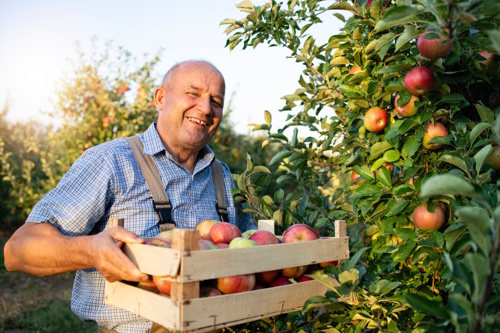
Smiling farmer holding a crate of freshly harvested apples in an orchard, symbolizing farm-to-table hospitality and authentic culinary journeys.

Beyond the Dinner Table – Culinary Journeys Linking Food, Nature, and Wellbeing

Destination Dining

Dining has long been a highlight of travel. Yet across the world, traditional restaurants are struggling to keep their appeal. Prices are rising, menus are becoming repetitive, and staff shortages leave many venues stretched thin. In some destinations, guests even bring their own groceries to islands or cook in holiday rentals rather than spending money on restaurants. What used to be a pleasure is turning into a burden.

At the same time, the appetite for unique and meaningful experiences has never been greater. Travelers are no longer satisfied with simply being served; they want to explore, learn, and connect. The answer lies in culinary journeys – experiences where food becomes part of a larger narrative that blends nature, culture, wellbeing, and community.

The struggle of traditional dining

For decades, the formula was simple: offer good food, decent service, and a comfortable setting. Today, that formula is not enough. A three-course dinner, however well prepared, rarely creates lasting memories in a world saturated with options. Dining is not disappearing, but it is being redefined. Guests increasingly expect their meals to tell stories, reveal culture, or connect them to people and places.

Restaurants that rely only on the plate risk being left behind. Hospitality businesses that expand the context of dining, however, find themselves at the forefront of a new movement.

Food as part of the journey

Some of the most innovative examples come from Asia. In Japan, Walk Japan’s onsen gastronomy tours combine gentle countryside walks with hot-spring bathing, regional food, and encounters with local artisans. The dishes themselves are memorable, but what makes the experience powerful is the way they are woven into landscapes, traditions, and community life.

Europe has developed its own approaches. Food trails through historic towns invite guests to discover local specialties step by step, often guided by storytellers in costume or accompanied by cultural performances. In the Alps, multi-day hikes link mountain huts, each offering a different regional dish, so that the act of eating becomes a journey through geography as well as taste.

North America has embraced similar concepts. In Canada, indigenous food trails bring travelers into direct contact with heritage and land. A piece of bannock bread or smoked salmon becomes extraordinary when prepared over an open fire, accompanied by stories of history and resilience. In the United States, vineyards and breweries now go beyond tastings to include harvest walks, blending workshops, and opportunities for guests to create their own products.

Wellbeing and gastronomy

Food is also merging with wellbeing. Culinary retreats combine yoga, meditation, or spa treatments with local cuisine, creating experiences that nurture body and mind together. In Scandinavia, winter terraces invite guests to embrace the cold, wrapped in blankets while sipping hot drinks and eating seasonal dishes. Here, the environment itself becomes part of the menu, turning climate into an ally rather than an obstacle.

This integration of wellbeing is more than a lifestyle trend. It is also sustainable. Smaller settings, seasonal produce, and immersive rituals consume fewer resources than oversized dining rooms or imported luxuries. For health-conscious travelers, such experiences feel both responsible and rewarding.

Technology as an enabler of culinary journeys

The rise of technology is adding new layers to this evolution. Digital platforms make it possible to plan and personalize culinary tours. Guests can collect digital “stamps” at each stop of a food trail, track their favorite places on an interactive map, or book workshops directly through apps. Gamification keeps the journey engaging while building loyalty.

Artificial intelligence and big data push personalization even further. Imagine an AI tool that suggests experiences not only based on dietary needs, but also on mood, weather, and past reviews. Guests could receive hyper-personalized itineraries where each dish, activity, and encounter feels designed just for them.

Even virtual and augmented reality are beginning to play a role. A VR headset could transport a diner to the farm where their vegetables were grown, while AR could overlay stories of heritage onto a dish as it is served. These technologies do not replace authenticity – they enhance it, turning meals into interactive storytelling platforms.

The human side of culinary experiences

Yet technology alone is not enough. At the heart of these journeys lies the human connection. Authenticity means more than using local ingredients – it means sharing the stories of the people behind them. Meeting a farmer, watching a fisherman at work, or learning from a craftsperson adds depth that no menu can capture.

Culinary journeys also create community among travelers themselves. A progressive dinner through a city, where each stop is a new course, turns strangers into companions. A hands-on cooking class fosters collaboration, laughter, and lasting friendships. These interactions often become as memorable as the food itself.

Workshops and courses deepen this effect. Guests do not just consume; they learn and create. Baking bread in a rustic oven, blending spices into a personal mix, or making cheese under the guidance of an artisan gives participants something tangible to take home – a story in the form of skill.

Why guests seek more than food

Behind the demand for experiences lies a psychological truth. In a world where consumption is easy and goods are abundant, people crave meaning. A culinary journey that connects them to nature, tradition, or culture fulfills this desire.

Mindfulness is part of it. When a traveler knows where a dish comes from – perhaps having harvested the ingredients themselves – they eat more consciously and with greater appreciation. Discovery is another driver. The thrill of finding a hidden farm, a family-run winery, or a market stall unknown to the guidebooks makes guests feel like explorers. This sense of discovery is priceless and deeply satisfying.

Ultimately, the search for meaning, mindfulness, and discovery explains why travelers are turning away from conventional dining and toward experiences that engage all senses.

Business opportunities behind culinary journeys

For hospitality providers, this shift is not just cultural – it is commercial. Culinary journeys open new revenue streams and strengthen guest loyalty.

Seasonal products are one pathway. Farms and restaurants can design experiences around harvests – asparagus walks in spring, mushroom foraging tours in autumn, or winter feasts with regional specialties. These events drive demand while keeping costs in line with seasonal supply.

Partnerships are another key. Hotels, restaurants, local producers, guides, and transport providers can collaborate to create packages that no single operator could offer alone. A hotel might provide accommodation, a farmer the produce, and a local guide the storytelling. Together, they create a journey richer than any could deliver independently.

Even pricing models can evolve. Culinary subscriptions, where guests pay for a series of food trails or workshops, create recurring revenue. All-inclusive packages that combine meals with experiences – vineyard tours, cooking classes, market visits – provide clarity for guests and stability for hosts.

These business models not only secure profitability but also elevate the reputation of properties as innovators. In a competitive market, differentiation matters as much as cost control.

Looking ahead

The future of hospitality dining will be defined less by menus and more by memories. Guests will increasingly seek experiences where food anchors them to landscapes, cultures, and communities. Standard dining may be losing its shine, but this is not the end of gastronomy. It is its reinvention.

From Japanese onsen tours to Canadian food trails, from European heritage walks to American vineyard workshops, the global trend is clear: food becomes part of a larger journey. Technology enables it, human connection enriches it, psychology explains it, and business models support it.

Because in the end, food is never just food. It is story, community, wellbeing, and discovery — and in combining these, hospitality finds its most powerful recipe for the future.

An immersive themed dining experience featuring guests in elaborate 18th-century baroque costumes at a candlelit banquet table, illustrating storytelling and experiential hospitality.

Madame Pompadour on Tour – Where Costumes, Culture, and Cuisine Meet in Hospitality

Destination Dining

In today's hospitality landscape, travelers are seeking more than a place to stay or eat — they want immersive, story-driven experiences that blend local culture, culinary exploration, and visual spectacle. Themed dining events, costumed tours, and multisensory experiences are becoming powerful tools for hotels and restaurants looking to attract modern guests.

A Stage for Culinary Discovery

Imagine exploring a historic district dressed in baroque attire, sampling regional delicacies in candlelit cafés, or enjoying a curated tasting menu inspired by a specific era or legend. By combining food, costume, setting, and story, hospitality businesses turn traditional service into live entertainment — creating emotional memories that far outlast the meal or the room.

Such immersive concepts are gaining popularity in Paris, Tokyo, Prague, and beyond. Whether it’s 18th-century elegance, folkloric heritage, or futuristic fusion, guests are eager to step into new roles — as explorers, nobles, or time travelers — all while discovering the flavors of a destination.

Experiential Hospitality: Scalable and Global

These storytelling experiences are not limited to metropolitan hotspots. Coastal resorts, mountain towns, and rural wine regions can benefit just as much by offering:

  • Historical costume tours paired with traditional local cuisine
  • Seasonal festivals celebrating regional produce and artisanal drinks
  • Rotating gastronomic circuits across themed international destinations
  • Membership-based culinary communities and culture-focused travel clubs

Such initiatives are often built through collaboration between hoteliers, chefs, local event organizers, and tourism boards. The result? A flexible and replicable hospitality concept that drives visibility, loyalty, and cultural tourism.

Opportunities for Hospitality Professionals

For restaurateurs, boutique hotels, and tourism entrepreneurs, these experiences offer new business models:

  • Multi-day themed experience packages that increase guest retention
  • Cross-promotion between accommodations and cultural venues
  • Upselling opportunities via costume rentals, workshops, or special events
  • Enhanced guest engagement that fosters return visits and referrals

Importantly, these programs deepen the guest relationship. Visitors don’t just observe — they participate, perform, and connect.

Storytelling Is the New Luxury

As hospitality evolves, storytelling has become a key differentiator. Guests now value authenticity, cultural depth, and creativity over conventional luxury standards. They seek meaning, not just amenities.

By weaving together costumes, culinary heritage, and local culture, hospitality businesses can create unforgettable, Instagram-worthy experiences that inspire — not just entertain. Whether it’s powdered wigs and champagne, or street food and myths, the future of hospitality belongs to those who dare to tell a story.

When Food Becomes the Reason to Travel

When Food Becomes the Reason to Travel

Destination Dining

In today’s world of travel, food is no longer just one part of the experience — for many, it has become the reason to travel. The rapid rise of gastronomy tourism reflects a growing desire among travelers to explore destinations not only through their sights and landscapes, but through their flavors, ingredients, and culinary traditions. From major festivals to government-backed programs, gastronomy tourism is emerging as one of the most dynamic and innovative segments in the global tourism industry.

Beyond Sightseeing: Why Food Has Become a Primary Travel Motivation

For decades, travelers have been drawn to landmarks, beaches, museums, and natural wonders. But today’s increasingly sophisticated and experience-driven tourist wants something more personal and immersive: a true connection to local culture. Food offers exactly that. It reflects a destination’s history, geography, climate, and traditions — often more authentically than any guided tour.

Whether it’s street food in Singapore, wine tastings in Bordeaux, or cooking classes in Istanbul, gastronomy offers travelers the opportunity to engage with local communities, artisans, and chefs. It creates memories not just of places, but of flavors, stories, and personal encounters that stay with travelers long after they return home.

Governments Recognize Gastronomy Tourism as Economic Engine

The growing global importance of gastronomy tourism has not gone unnoticed by governments and international organizations. Countries worldwide are now investing heavily in developing culinary-focused tourism strategies as a way to diversify their economies, promote local products, and create employment opportunities across regions.

  • Türkiye has become a global leader in gastronomy tourism, combining its rich culinary heritage with government-supported cooking academies, gastronomy museums, and hundreds of annual food festivals. The country aims to generate $25 billion from gastronomy tourism by 2025.
  • Jamaica is taking a slightly different path, launching its first Gastronomy Academy in Montego Bay to train a new generation of culinary professionals and position the island as a high-end food destination for winter tourists.
  • The United Nations and its affiliate organizations, such as the Basque Culinary Center, are actively supporting the development of gastronomy tourism through global forums and conferences, such as the 9th UN Tourism World Forum on Gastronomy Tourism in Bahrain.

This level of political attention underlines the enormous long-term potential of gastronomy as both a cultural asset and a serious economic driver.

A Global Calendar of Food Experiences

Food festivals have become major attractions, drawing both domestic and international tourists who plan entire trips around such events. Examples include:

  • Hong Kong Wine and Dine Festival, offering masterclasses, tastings, and live performances on the city’s iconic harborfront.
  • Singapore Food Festival, celebrating the nation’s multi-ethnic food heritage with pop-ups, chef collaborations, and interactive workshops.
  • Truro Food Festival in Cornwall (UK), mixing chef demos, live music, local produce, and culinary entertainment.
  • Oktoberfest in Munich and its many international offshoots, blending beer, Bavarian cuisine, and cultural festivities for millions of global visitors.

Such events help destinations not only attract tourists, but also promote regional products, boost small businesses, and strengthen local identities.

New Business Models for Hotels and Restaurants

For hotels, resorts, and restaurants, the boom in gastronomy tourism offers new revenue streams and positioning opportunities. Food-focused travel allows hospitality businesses to:

  • Create culinary packages: Including cooking classes, farm visits, vineyard tours, or private dining experiences.
  • Collaborate with local producers: Building partnerships with farmers, winemakers, fishers, and artisans to showcase authentic regional products.
  • Host seasonal food festivals or pop-up restaurants to attract both tourists and locals.
  • Position themselves as culinary destinations rather than simple accommodations.

Boutique hotels and luxury resorts, in particular, are finding success by offering highly curated food experiences that go far beyond traditional hotel dining, blending wellness, sustainability, and cultural storytelling into their gastronomy offerings.

The Guest Perspective: Authenticity, Sustainability, and Storytelling

Modern travelers are no longer satisfied with generic hotel buffets or predictable menus. Instead, they seek food experiences that reflect the true character of the place they’re visiting.

  • Authenticity: Guests want to taste dishes rooted in local tradition, made from regional ingredients.
  • Sustainability: Many travelers are increasingly concerned with how food is sourced, preferring farm-to-table concepts, organic produce, and sustainable fishing.
  • Storytelling: The narrative behind each dish — where the ingredients come from, who prepared them, and how recipes have evolved — enriches the dining experience and creates emotional connections.

By focusing on these elements, hotels and restaurants can transform meals into meaningful experiences that guests will gladly share on social media, recommend to friends, and seek out again.

Why Gastronomy Tourism Is Here to Stay

Several trends suggest that gastronomy tourism will not only continue to grow but become even more central to how people travel in the coming decades:

  • Post-pandemic travelers prioritize personal, small-scale, and meaningful experiences.
  • Culinary experiences offer unique selling points for destinations competing for global attention.
  • The integration of sustainability into food tourism supports broader environmental and community goals.
  • Culinary education and cross-cultural collaborations are opening new career paths for young hospitality professionals.

For investors, hoteliers, chefs, and tourism boards, gastronomy tourism represents both a creative opportunity and a long-term strategic investment.

Conclusion: Hospitality’s Growing Role in Culinary Tourism

At Hogahero, we see gastronomy tourism not as a passing trend but as a powerful evolution within the hospitality industry. Hotels, resorts, and restaurants that embrace this movement have the chance to create richer guest experiences, build stronger brands, and contribute to local economies in meaningful ways.

In the end, food is more than nourishment. It is culture, history, art, and — increasingly — a reason to travel. And for hospitality professionals, it offers one of the most exciting growth opportunities of our time.

The Rise if Winery Hospitality Experiences

The Rise if Winery Hospitality Experiences

Destination Dining

For decades, visiting a winery followed a familiar pattern: a simple tasting at the counter, a short tour through the cellars, perhaps a few bottles purchased directly from the estate. The charm lay in tradition, not in innovation. But today’s hospitality landscape has shifted dramatically, and wineries around the world are being forced to rethink how they engage with modern guests. The era of dusty tasting rooms and static tours is rapidly fading. Instead, a new generation of wine estates is embracing a more holistic, experience-driven model — blending wine, gastronomy, design, and leisure into fully integrated hospitality destinations.

At the heart of this shift lies the changing expectations of guests themselves. Today’s wine tourists are no longer satisfied with a simple glass and a quick cellar tour. They seek curated experiences that appeal to all senses, combining the pleasure of wine with culinary excellence, architectural beauty, and emotional connection. Many of these guests are highly mobile, well-traveled individuals who have experienced luxury in many forms — and expect wineries to match the standards they encounter in leading hotels, resorts, and restaurants.

Forward-thinking wineries are responding with a variety of creative concepts that go far beyond traditional tastings. In many regions, visitors can now enjoy multi-course menus crafted by in-house chefs, often using locally sourced ingredients that pair beautifully with estate wines. Meals are served in architecturally stunning dining rooms, open-air terraces overlooking the vineyards, or even directly inside historic barrel halls transformed into intimate dining spaces. The aim is not simply to serve food but to create lasting memories where wine and cuisine form a seamless, immersive experience.

Beyond fine dining, some estates have begun offering broader lifestyle components. Private cooking classes, sommelier-led wine and food pairings, farm-to-table workshops, and seasonal harvest participation allow guests to engage more deeply with both the production and the pleasure of wine. Increasingly, these experiences are offered in carefully limited group sizes, prioritizing intimacy and personalization over mass tourism.

The design of the properties themselves reflects this evolution. Many estates now invest heavily in architecture and landscaping, transforming previously functional winery buildings into aesthetic landmarks. Modern tasting rooms feature floor-to-ceiling glass walls overlooking the vines, art installations blend with nature, and wellness amenities such as boutique spas, yoga pavilions, or meditation gardens complement the sensory experience. The estate becomes not simply a production site, but a destination in itself.

For some wineries, the expansion into full hospitality goes even further. Boutique accommodations directly on the property allow guests to stay overnight, extending their visit into a complete retreat. Carefully designed guest rooms, high-end service, and curated itineraries create a resort-like environment where wine remains central but no longer stands alone. The model blends agritourism with luxury travel, creating entirely new revenue streams alongside traditional wine sales.

These new concepts are not limited to one region or market. From the Napa Valley to Bordeaux, from Tuscany to South Africa, from the Mosel to New Zealand — wineries across the globe are reimagining their role in the modern hospitality industry. What was once a strictly agricultural business has, in many cases, become an experiential brand that balances production with tourism, gastronomy, and design.

Yet not all wine producers have fully embraced this opportunity. In many traditional wine regions, family-run wineries remain cautious or struggle to modernize their offerings. A generational gap often appears: while younger owners may understand the need for reinvention, many still follow outdated models that no longer resonate with today’s customers. The risk is clear — without adaptation, even respected names may find themselves increasingly disconnected from new visitor expectations.

At its core, this transformation reflects a broader truth about modern hospitality: it is no longer enough to offer a product — you must offer an experience. Wine is a beautiful product, but when combined with outstanding service, storytelling, design, and culinary artistry, it becomes part of a larger, deeply emotional journey for the guest.

For hospitality professionals, developers, and investors, this shift opens valuable opportunities. Partnering with wineries, developing integrated food and beverage programs, designing boutique accommodations, or consulting on guest experience design are rapidly growing business fields. Those who understand both the cultural roots of winemaking and the evolving demands of hospitality can position themselves at the forefront of this expanding market.

At Hogahero, we believe that the winery of the future is not simply a place to taste wine, but a destination to experience life. The most successful estates will be those that balance authenticity with innovation, tradition with creativity, and product with emotion. For the guests, these wineries become far more than tasting rooms — they become places of memory, inspiration, and true hospitality.

  • Privacy Policy
  • Image Credits
  • Legal Notice
  • Terms & Conditions
  • FAQ
  • Advertising Options
  • Service Partners
  • Brokers Welcome
  • Submit Press Releases
  • Prices
© 2026 HOGAHERO
  • Home
  • Properties
    • Featured Listings
    • Off-Market Portfolio
    • Sell a Property
    • For Investors
  • Careers & Talent
    • Find Jobs
    • Post a Job
  • Magazine
    • Hospitality Trends & Innovation
      • Concepts & Innovation
      • Sustainability
      • Food & Beverage Culture
    • Business & Growth
      • Succession & Sales
      • Branding & Marketing
      • Management & Strategy
    • Travel & Culture
      • Global Insights
      • Destination Dining
    • Trade Shows & New Hospitality Products
  • My Dashboard
    • Create account
    • Login
    • Add Property
  • Contact