HOGAHERO
  • Home
  • Properties
    • Featured Listings
    • Off-Market Portfolio
    • Sell a Property
    • For Investors
  • Careers & Talent
    • Find Jobs
    • Post a Job
  • Magazine
    • Hospitality Trends & Innovation
      • Concepts & Innovation
      • Sustainability
      • Food & Beverage Culture
    • Business & Growth
      • Succession & Sales
      • Branding & Marketing
      • Management & Strategy
    • Travel & Culture
      • Global Insights
      • Destination Dining
    • Trade Shows & New Hospitality Products
  • My Dashboard
    • Create account
    • Login
    • Add Property
  • Contact
Three glasses of whisky on a rustic wooden table with barley and distilling elements in the background.

French Whisky: A Surprising Star in the Global Spirits Scene

Food & Beverage Culture

More than Cognac: How France is quietly redefining whisky

When thinking of whisky, most turn to the misty Highlands of Scotland or the bold bourbon heritage of the United States. But a new player has entered the scene—quietly, steadily, and with a distinctly refined character: France. Known for its wine, brandy, and gastronomy, France is now earning global recognition as a serious whisky-producing nation.

For hoteliers, restaurateurs, and beverage professionals, French whisky offers not only a fresh tasting experience but also a compelling story rooted in terroir, craftsmanship, and innovation.

From Wine to Whisky: The Evolution of a New Category

France’s modern whisky movement began in 1983 with the founding of the Warenghem distillery in Brittany, home of the pioneering brand Armorik. Since then, the country has seen an explosion of new distilleries—over 120 as of 2025—ranging from Alsace to the Alps, Normandy to the Cognac region.

What sets French whisky apart is its ability to draw from the country's rich legacy of wine and Cognac production. Distillers use local barley and rye, Cognac yeast, and a wide array of cask types—from Limousin oak to ex-Sauternes and Burgundy barrels—creating a stylistically diverse and terroir-driven whisky landscape.

Organized and Legitimate: The Role of the French Whisky Federation

To further legitimize the industry, the Fédération du Whisky de France plays a crucial role. It coordinates efforts among distillers, promotes French whisky internationally, and works to secure geographic indications (IGPs) similar to the wine sector's AOC system. This ensures quality standards and protects regional identity in production—a signal to international buyers and distributors that French whisky is more than a niche curiosity.

Innovation in Production Methods

While rooted in tradition, French distilleries often lean into innovation:

  • Grain Varieties: Some use heritage strains of French barley, rye, and even buckwheat, which add distinct textural and aromatic qualities.
  • Water Sources: Alpine springs, coastal streams, and river-fed sources all lend unique mineral profiles.
  • Distillation Techniques: French distillers use both traditional pot stills and hybrid stills, often with unconventional shapes or heating methods adapted from brandy production.
  • Cask Management: Aging in wine casks is a defining trait. Beyond Limousin oak, casks from Sauternes, Jura, Burgundy, and Cognac are common, infusing layered fruit, spice, or tannin characteristics.

Sustainability and Environmental Focus

Domaine des Hautes Glaces, nestled in the French Alps, is a leading example of sustainable whisky production—employing organic farming, regenerative agriculture, and on-site grain malting. Several other distilleries have adopted similar low-impact methods, focusing on local sourcing and environmentally conscious distilling.

What Does French Whisky Taste Like?

French whiskies tend to exhibit a lighter body than Scotch, with brighter, more fruit-driven aromas. They are often less smoky, though some producers (like Kornog by Glann ar Mor) create peated versions.

Common tasting notes include:

  • Orchard fruits (apple, pear, quince)
  • Floral elements (chamomile, lavender)
  • Vanilla and tropical fruit from Cognac casks
  • Herbal and mineral notes from alpine water and local grain

Examples

  • Armorik (Brittany): Maritime salinity, apple, soft smoke
  • Brenne (Cognac): Creamy, tropical fruit, vanilla
  • Rozelieures (Lorraine): Lightly smoky, honeyed spice
  • Le Breuil (Normandy): Orchard fruit, fresh grain, floral

Regulatory Framework: Quality You Can Trust

While French whisky is not governed by the same laws as Scotch, producers must meet strict local standards. Most distilleries observe a minimum three-year aging period in wood and are subject to French labeling and spirit quality regulations. The rise of IGPs (Indication Géographique Protégée) reinforces regional identity and protects authenticity.

Market Momentum and Global Appeal

French whisky is gaining traction not only at home but also abroad. Export markets such as the U.S., Germany, and Japan have shown growing interest. Award recognition is also rising: brands like Le Breuil and Domaine des Hautes Glaces have won gold at the IWSC and Spirits Selection.

For hospitality professionals, this means an opportunity to offer something both premium and under-discovered.

Tourism and Experience: A Hospitality Bonus

Many French distilleries are open to visitors—offering tastings, tours, and even boutique accommodations. For hotels and restaurants, this opens doors to:

  • Partnerships for tasting events
  • Whisky-themed travel experiences
  • Exclusive on-site bottlings

Pricing and Positioning

French whisky spans a wide price range:

  • Entry-level expressions are priced competitively with blended Scotch or Irish single malts
  • Mid-range bottles offer complexity and uniqueness without breaking the bank
  • Ultra-premium expressions, often cask-finished or limited edition, cater to connoisseurs and collectors

Strategic Value for Hospitality Businesses

Adding French whisky to your beverage program isn’t just about trend-spotting—it’s about storytelling. These whiskies are conversation starters, menu differentiators, and perfect for themed pairings or flights.

Ideas for implementation:

  • Introduce a "French Flight" with 3 different regional expressions
  • Pair Brenne with a vanilla-forward dessert or stone fruit tart
  • Use Rozelieures in a twist on a classic Old Fashioned

Conclusion: Not Just a Fad—A New Classic

French whisky has all the elements of a long-term player: craftsmanship, identity, innovation, and growing global prestige. For hospitality venues seeking to offer something unexpected, premium, and genuinely interesting—this is a spirit worth pouring.
When Old Recipes Steal the Spotlight: How Classic Comfort Food Is Shaping the Future of Dining

When Old Recipes Steal the Spotlight: How Classic Comfort Food Is Shaping the Future of Dining

Food & Beverage Culture

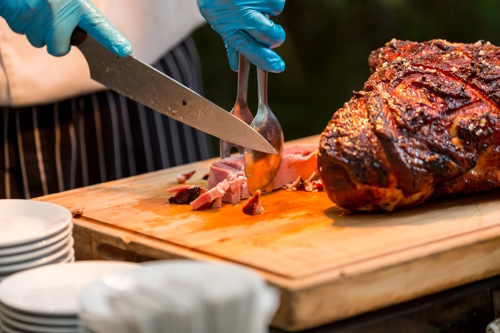
Fine dining has long been a playground for innovation – from whimsical molecular creations to daring fusion experiments. Yet, while chefs have pushed the boundaries of creativity, a quieter movement has been building: the return of beloved classics. Dishes once thought too simple or too rustic for the modern restaurant are now being celebrated on some of the world’s most prestigious menus.

From Michelin Kitchens to Family Favourites: A Global Comeback

Across continents, chefs are rediscovering the power of familiar flavours. Germany, for example, has seen the return of slow-braised Sauerbraten and generous schnitzels. In France, dishes like Langue de Bœuf (beef tongue) and escargots are reappearing in refined, contemporary settings. In the UK, Toad in the Hole and Welsh Rarebit are finding their way back into gastropubs. And in the US, the nostalgic shrimp cocktail is enjoying a playful revival, often with a modern twist.

These are not museum pieces. They are being reimagined with today’s techniques, seasonal ingredients, and a deeper respect for culinary heritage.

Nostalgia on the Menu: Why Guests Still Crave Familiar Flavours

The appeal goes beyond taste. Classic comfort dishes connect diners to culinary memories – the roast that filled the family home with warmth, the sizzling skillet arriving at the table, the flambéed dessert that turned a meal into theatre.

Social media has amplified this pull. Instagram is home to thriving communities devoted to the unapologetic beauty of stews, roasts, and hearty plates. TV shows such as Kitchen Impossible and The Taste have brought traditional dishes back into the limelight, inspiring both home cooks and professionals to revisit them.

Big Plates, Bold Memories: The Enduring Allure of Abundance

In the 1980s and 90s, oversized portions were a selling point. From Germany’s giant schnitzels to America’s piled-high grill platters, restaurants created a sense of celebration through abundance. Today, health trends and sustainability have shifted portion sizes downward – but the occasional indulgence in a lavish, shareable dish can still create the kind of buzz that fills a dining room.

Across Borders, Across Eras: Vanishing Dishes from Around the World

Some classics have nearly disappeared, victims of changing tastes and supply chains. In the 1960s and 70s, many kitchens used the whole animal, making dishes like kidneys, sweetbreads, or calf’s liver part of everyday menus. Today, these cuts are harder to find through mainstream suppliers, limiting their presence in restaurants.

Elsewhere, traditional recipes have faded due to complexity or shifting cultural tastes: France – tripes and escargots outside tourist districts; UK – Welsh Rarebit replaced by lighter starters; USA – real and mock turtle soup phased out over sustainability concerns. Yet in each case, small pockets of chefs and diners keep the traditions alive – often with renewed interest.

Reinventing the Past: How Chefs Are Turning Tradition into Innovation

The revival of comfort classics is not about nostalgia alone – it is about reinvention. A Tafelspitz, for instance, might now be cooked sous-vide for perfect tenderness, served with a clarified broth and an elegant modern garnish. A Sauerbraten could be infused with Middle Eastern spices or plated alongside seasonal, plant-forward sides. These updates keep heritage alive while making it relevant to contemporary palates.

The Business Case for Comfort Classics

This trend is also financially strategic. High-concept avant-garde cuisine often demands expensive equipment, rare ingredients, and highly specialised staff. By contrast, traditional recipes can be prepared with time-tested techniques, regional produce, and manageable costs – without compromising quality. For many restaurateurs, this makes comfort classics not just a creative choice, but a sustainable business decision.

Why Tradition Might Be the Strongest Marketing Tool Restaurants Have

In a competitive dining landscape, tradition offers something innovation alone cannot: trust. Guests know what they are ordering, yet can still be surprised by the execution. The balance of familiarity and creativity draws in first-time customers and keeps regulars returning.

From a giant schnitzel night in a Berlin beer hall to a delicate prawn cocktail in a Manhattan bistro, these dishes offer more than a meal – they offer a sense of place, belonging, and shared culture. In the end, that may be the most enduring recipe for success.

The Rise of Urban Food Festivals: How Hospitality Can Tap Into the New Experience Economy

The Rise of Urban Food Festivals: How Hospitality Can Tap Into the New Experience Economy

Food & Beverage Culture

In a hospitality landscape shaped by changing consumer expectations, traditional dining is no longer enough to capture the attention of modern guests. Across the world, a powerful trend is emerging: urban food festivals that fuse gastronomy with entertainment, culture, and digital experiences. These events are becoming vibrant playgrounds for younger generations, blending food, music, art, and social media into unforgettable nights that redefine how we think about hospitality.


From Dining to Full Immersion

The model is simple but transformative. Rather than offering meals as isolated experiences, urban food festivals create multi-layered environments where guests don't simply eat — they participate. The recent example of Party Pier in Guangzhou offers a glimpse into how far this concept can evolve. Over the course of three days, the event combined international street food, live music, influencer live-streams, and digital engagement tools to build a high-energy, fully immersive destination that felt more like a cultural movement than a traditional food event.

Visitors explored curated food markets with local favorites and international flavors, while musical performances transformed the festival into a nightlife hotspot. Meanwhile, real-time influencer broadcasts amplified the festival far beyond its physical location, generating viral content and engaging a much broader digital audience. This combination of live experience and online amplification has created a new category of hospitality event — one that merges entertainment, gastronomy, and commerce into a single, highly profitable ecosystem.


Why Urban Food Festivals Work

At their core, these festivals satisfy multiple desires of modern consumers: they offer variety, informality, cultural discovery, and social interaction — all wrapped in visually rich, highly shareable experiences. For younger guests in particular, the traditional boundaries between dining, entertainment, and nightlife have blurred. Guests are no longer simply looking for a table; they want a story, a vibe, and the chance to be part of something dynamic.
Food becomes the gateway into these experiences. But it is the additional layers — music, design, digital interactivity, influencer engagement — that drive emotional connection and create long-term brand loyalty. These events tap directly into the experience economy, where participation is as valuable as the product itself.


Hospitality’s Untapped Potential

For hotels, resorts, and urban hospitality spaces, the opportunities are significant. While many properties already organize seasonal events or small-scale tastings, very few have fully embraced the experiential food festival model. Yet this approach offers a powerful tool for guest engagement, revenue growth, and destination marketing.

Hotels can transform open spaces into seasonal food markets, collaborate with local chefs and food vendors, host live performances, and integrate social media activations that extend the event’s impact far beyond its physical footprint. Partnerships with local producers, artists, and digital creators further strengthen the authenticity and shareability of the experience.

Even boutique properties can adopt scaled-down versions, organizing culinary weekends, rooftop food and music nights, or cultural pop-up series that invite both guests and locals to participate. The model is flexible and highly adaptable to different sizes and budgets.


The Digital Layer: Influencers and Live Streaming

What sets modern food festivals apart is the seamless integration of digital engagement. Influencers, live streaming platforms, and interactive promotions now play a central role in driving attendance and amplifying brand exposure. Social media platforms like TikTok, Instagram, and YouTube turn physical events into global phenomena, expanding reach, building anticipation, and creating highly authentic marketing content — often at minimal cost.

Hotels that understand how to collaborate with local content creators, design photo-friendly spaces, and build real-time social media excitement are not only generating buzz; they are building long-term digital communities that continue to engage guests well after the event concludes.


A New Chapter for Urban Hospitality

The evolution of urban food festivals signals a broader shift in hospitality: from service delivery to experience creation. Hotels and restaurants that position themselves as curators of culture — blending gastronomy with entertainment, community, and digital storytelling — are building far more than one-time visits. They are creating places that guests return to, share widely, and recommend passionately.


As hospitality continues to evolve, the message is clear: it's not just about the food — it’s about the stage you build around it.

The Untapped Potential of Tea in Hospitality: From Ritual to Revenue

The Untapped Potential of Tea in Hospitality: From Ritual to Revenue

Food & Beverage Culture

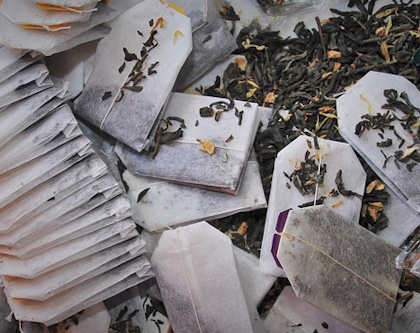
In many parts of the world, tea is more than just a beverage — it’s a symbol of culture, history, and social connection. In Asia, tea has been celebrated for centuries as a ritual that brings people together, promotes health, and reflects regional identity. Yet in much of the Western hospitality industry, tea often remains an afterthought — served in basic tea bags, with little ceremony or context.

This creates a powerful opportunity. As global hospitality evolves, tea holds enormous potential as a differentiating experience — offering deeper guest engagement, wellness value, and strong revenue potential.

Tea Is Not Just a Drink — It's an Experience

In countries like China, Japan, and Korea, tea is treated with artistry and intention. It is prepared carefully, served mindfully, and often paired with food. These ceremonies create social rituals that foster conversation, reflection, and connection.

By contrast, tea in Western hospitality is often presented as a functional beverage — a quick option after coffee. But global travelers are increasingly seeking authenticity, wellness, and slower, more immersive experiences. And tea can deliver all of that — in a cup.

A Growing Global Interest in Tea Culture

We see a shift in how hospitality businesses are embracing tea:

  • Luxury hotels are creating curated tea lounges with seasonal blends

  • Fine dining restaurants explore tea pairings alongside or instead of wine

  • Wellness resorts integrate herbal tea rituals into spa programs

  • Boutique hotels develop signature blends using local herbs and botanicals

  • Culinary schools offer tea sommelier training and food pairing classes

At resorts like Galaxy Macau, for example, tea masters pair selections with individual dishes and even guest body types — drawing on principles from Traditional Chinese Medicine. This level of personalization resonates strongly with wellness-focused travelers.

Why Hospitality Businesses Should Pay Attention

Differentiation Through Storytelling

Tea brings cultural depth and regional authenticity. From sourcing local herbs to collaborating with artisan blenders, every element can tell a story. These narratives can shape your brand identity and create deeper guest connections.

Wellness and Health Appeal

Tea aligns perfectly with the wellness values of modern guests. Herbal blends and functional infusions offer health benefits and calming effects, adding value to spa menus, detox programs, and in-room offerings.

High-Margin Revenue Opportunities

Premium tea is affordable to source and easy to store. Thoughtful presentation — such as tastings, pairings, or house blends — turns it into a high-margin offering with low operational complexity.

Broad Guest Appeal

Tea is inclusive. It suits nearly every guest, regardless of age, dietary restrictions, or cultural background. Unlike alcohol, it can be central to shared experiences across family groups, wellness seekers, or sober travelers.

Sustainable and Local by Nature

Partnering with local growers or herbalists creates shorter supply chains and reduces environmental impact. It also helps tell a sustainability story guests increasingly care about.

How to Integrate Tea Creatively

  • Tea Pairings: Match teas with seasonal tasting menus or desserts

  • Guided Ceremonies: Host daily or weekly tea rituals led by trained staff

  • Signature Blends: Develop house teas inspired by local ingredients or your property's story

  • Wellness Packages: Combine tea with treatments, yoga, or mindfulness sessions

  • In-Room Tea Rituals: Offer premium loose-leaf options and teaware in guest rooms

  • Tea Workshops: Teach guests about tea brewing, history, and regional variations

Learning From the East, Adapting to the West

Asian tea traditions demonstrate how small rituals can anchor deep emotional experiences. From Gongfu Cha in China to Japanese tea ceremonies and Korean darye, there is much to learn — and to reinterpret creatively for modern, Western audiences.

These traditions aren’t complex — they are intentional. That’s the key.

The Future of Tea in Hospitality

As demand grows for wellness, sustainability, and authentic experiences, tea is ideally positioned to meet all three. For hospitality operators ready to think beyond generic menus and into storytelling and sensory engagement, tea offers a low-risk, high-reward path.

At Hogahero, we believe that such details are the future of hospitality. Tea — steeped in tradition yet flexible in format — can become one of your most powerful tools for guest satisfaction, brand elevation, and business growth.

Sake Meets the World – Japanese Rice Wine in Modern Restaurant Culture

Sake Meets the World – Japanese Rice Wine in Modern Restaurant Culture

Food & Beverage Culture

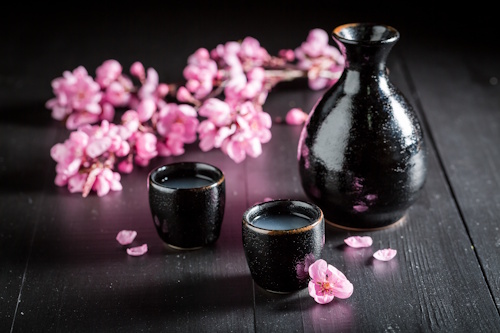
In today’s global gastronomy scene, few beverages capture the perfect balance between tradition and innovation as elegantly as sake. Long revered in Japanese culinary tradition, this refined rice wine is now finding a new home in international hospitality — from fine dining to modern fusion cuisine. For restaurateurs, hoteliers, and investors, this opens exciting opportunities to elevate guest experiences and explore innovative, culturally rich concepts.

Sake in Hospitality: A New Chapter for Global Menus

Brewed for over a thousand years, sake is made from polished rice, water, and koji mold — a fermentation process more akin to brewing beer than making wine. The result? A drink that offers delicate umami, gentle sweetness, and aromatic complexity, making it remarkably food-friendly.

While traditionally served with Japanese dishes, sake is now appearing alongside global cuisine. Light, dry styles pair well with seafood, salads, and fresh vegetables. Fuller-bodied varieties complement grilled meats, aged cheeses, and richly seasoned vegetarian dishes. This versatility allows chefs to integrate sake into menus far beyond its cultural origin — without losing authenticity.

Culinary Fusion as a Strategic Concept

Sake is more than a beverage — it’s an opportunity to develop creative dining experiences. Restaurants that incorporate sake pairings, themed evenings, or even sake-based cooking workshops introduce guests to something unique, immersive, and culturally grounded.

Boutique hotels and upscale restaurants, in particular, can benefit from sake’s storytelling power. Offering curated sake menus or guided tastings provides both educational value and emotional engagement, helping to create moments that guests remember and talk about long after their visit.

The Power of Cultural Storytelling

Modern hospitality is not just about good food and service — it’s about meaningful experiences. By introducing sake with its rich backstory, operators can build an emotional connection through cultural storytelling.

Explaining the art of rice polishing, fermentation, and brewing traditions adds depth to the guest journey. Sake becomes more than a drink — it becomes a symbol of heritage, craftsmanship, and thoughtful hospitality. This kind of narrative aligns perfectly with current trends: guests are looking for authenticity, quality, and experiences that go beyond the ordinary.

Business Opportunities in the Sake Segment

For entrepreneurs and hospitality investors, the growing global interest in sake opens up a range of new business models:

  • Sake-tasting lounges and pop-up bars
  • Fusion restaurants featuring global cuisine with sake pairings
  • Boutique hotels with sake-themed events or wellness offerings
  • Concept stores combining sake retail, education, and hospitality

Collaborations with local importers or international brewers can add exclusivity and authenticity to the offering, while keeping sourcing manageable and transparent.

Sake as a Symbol for Hospitality’s Future

The global success of sake is not just a trend — it reflects the future of hospitality: culturally rooted, yet globally adaptive. It proves that traditional products can find new relevance through thoughtful integration and storytelling.

Whether as part of a restaurant’s beverage list or the core of a new hospitality concept, sake invites innovation while honoring its heritage. It brings people together, sparks curiosity, and adds meaning to the dining experience.

  1. How Culinary Experiences Are Creating New Opportunities in Hospitality
  2. How the Buffet Is Being Reimagined in Modern Hospitality
  3. How Hotels Are Turning Grilling Into a Full Hospitality Experience
  • Privacy Policy
  • Image Credits
  • Legal Notice
  • Terms & Conditions
  • FAQ
  • Advertising Options
  • Service Partners
  • Brokers Welcome
  • Submit Press Releases
  • Prices
© 2026 HOGAHERO
  • Home
  • Properties
    • Featured Listings
    • Off-Market Portfolio
    • Sell a Property
    • For Investors
  • Careers & Talent
    • Find Jobs
    • Post a Job
  • Magazine
    • Hospitality Trends & Innovation
      • Concepts & Innovation
      • Sustainability
      • Food & Beverage Culture
    • Business & Growth
      • Succession & Sales
      • Branding & Marketing
      • Management & Strategy
    • Travel & Culture
      • Global Insights
      • Destination Dining
    • Trade Shows & New Hospitality Products
  • My Dashboard
    • Create account
    • Login
    • Add Property
  • Contact