
HOGAHERO
  • Home
  • Properties
    • Featured Listings
    • Off-Market Portfolio
    • Sell a Property
    • For Investors
  • Careers & Talent
    • Find Jobs
    • Post a Job
  • Magazine
    • Hospitality Trends & Innovation
      • Concepts & Innovation
      • Sustainability
      • Food & Beverage Culture
    • Business & Growth
      • Succession & Sales
      • Branding & Marketing
      • Management & Strategy
    • Travel & Culture
      • Global Insights
      • Destination Dining
    • Trade Shows & New Hospitality Products
  • My Dashboard
    • Create account
    • Login
    • Add Property
  • Contact
A quiet row of handcrafted gingerbread houses dusted with winter sugar, set against a dark backdrop with soft golden lights, evoking warmth, heritage and the silent transformation of small family hotels through the winter season.

From Inherited Keys to New Purpose – How Family Hotels Survive Their Second Life

Succession & Sales

There is a particular silence that accompanies a handover in hospitality. The outgoing owner still walks the corridors with memory, while the new operator sees only potential, unpolished and demanding. Across Europe and beyond, countless family-run hotels are entering this state of transition. Their histories are generous, their guest books loyal, yet their positioning no longer fits a market defined by mobility, emotional travel and the subtle shift from passive spa indulgence to active restoration, movement and place-driven identity.

What comes next is neither reinvention nor nostalgia. It is the discipline of editing. A hotel that carried wedding anniversaries, childhood summers and familiar breakfast rituals does not survive its second life by erasing these layers, but by curating them with intention. The inherited oak cabinet that once held decades of crystal is no longer furniture, but narrative. When it becomes the singular anchor for local bread, mountain cheese and handwritten trail notes, it stops serving function and begins serving memory in contemporary form. The transition from tradition to relevance is not demolition, but distillation.

This principle extends beyond objects into the humans who held the house together. The housekeeper who knows the creak of every stair, who remembers when the shutters were painted sea green and who has watched entire families grow over generations, does not belong in uniform anonymity. She becomes a quiet historian, the one voice who can recount origins and seasons and who understands why the new terrace faces west. When her knowledge is given dignity instead of invisibility, the hotel gains more than service: it gains continuity.

Transformation is therefore not a matter of amenities; it is the orchestration of what should remain and what deserves to be surrendered. Guests today recognise authenticity not through design trends but through coherence. They do not travel for novelty alone, but for places that understand where they come from, why they move and what they return to. The overnight shift from family inn to alpine basecamp is not visual but philosophical. Trails, local producers, riverbanks and weather patterns become the new concierge.

And yet, romance alone cannot stabilise a business. Editing has an economy. A hotel that chooses truth over spectacle must charge not for granite bathrooms or imported berries, but for time, access and private rhythm. The room price becomes a value price. When a morning is spent with a beekeeper rather than at a buffet line, when the sourdough is shaped two kilometres away rather than flown across continents, the guest does not pay for breakfast but for belonging. Margins, once strained by intermediaries and brand expectations, find quiet balance in local supply chains that deliver freshness alongside narrative, and dignity alongside sustainable cost.

Technology, in this context, serves not as escape from human warmth but as its precise extension. The discreet QR code beside the oak cabinet does not announce digital ambition but offers weather, trail elevation and the name of the farmer who churned the butter at dawn. A digital interface can be soft, unobtrusive and silent, supporting rather than replacing the kind of reception conversation that still matters when the rain changes a hiking plan. The guest is not overwhelmed with connectivity, but gifted with presence, because information lives exactly where it is needed.

As the house settles into its second life, the staff no longer perform service as script but as translation. The waiter becomes interpreter of vineyard slopes; the receptionist not only arranges transfers but reads the mountain’s temperament. Roles stretch, not through pressure, but through pride. To welcome is no longer to deliver plates to tables, but to introduce guest to place. The vocabulary changes, as does the posture. Hospitality shifts from choreography to stewardship, from routine to relationship.

In this re-entered world, the hotel that once survived on loyalty alone discovers that loyalty itself must be re-earned. Not through spectacle, but through edit. Not through uniformity, but through depth. Names fade, design cycles turn and competitive markets roar louder than ever, yet the properties that endure are the ones that refine rather than reinvent. They inhabit their geography with precision. They accept that their past is not burden but raw material. They step into their second life not by seeking trend, but by recognising that the inheritance was never the building, but the intimacy of its story.

And when the door opens to its second life, there is no before and after, only becoming. Let the story begin.
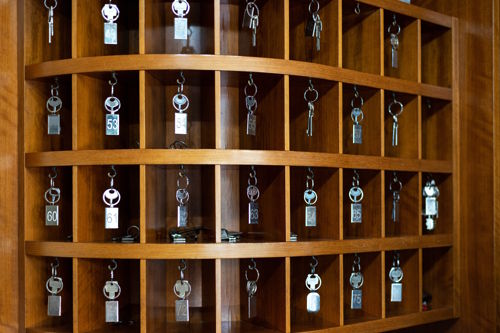

Vintage wooden hotel key rack with numbered keys hanging in open compartments, symbolizing aging hospitality infrastructure.

Aging Hotels Under Pressure – Opportunities for Buyers and Turnaround Investors

Succession & Sales

Across global hospitality markets, the performance gap between modern hotels and aging assets is widening. In destinations from Southern Europe to Southeast Asia, operators report a consistent pattern: new, lifestyle-oriented properties perform strongly while older budget and midscale hotels lose momentum. What once felt like a dependable, price-driven segment is now facing operational strain and shifting guest expectations.

For many owners, this shift is driven less by tourism cycles and more by the age of their buildings, the cost of required upgrades and the realities of operating in an increasingly competitive environment.

Modern Supply Reshaping Guest Expectations

In markets that have seen significant development over the past decade, newly built hotels have quietly reset the benchmark for what travellers consider acceptable. Clean architecture, contemporary interiors, efficient layouts, modern technology and a feeling of freshness have become baseline expectations rather than premium features. Guests who once tolerated older, simpler rooms now prioritise modernity, even at a slightly higher price point.

This trend is visible across many regions. Older independent hotels struggle to defend their position when surrounded by new competitors offering stronger design, better online reputations and updated amenities. Even in destinations reporting healthy tourist arrivals, operators frequently describe challenging seasons – often not due to weak demand, but due to an aging product that no longer meets today’s standards.

Renovation Needs Rising Faster Than Revenue

Hotel aging rarely happens gradually. It accelerates when multiple systems reach the end of their lifecycle simultaneously. Guest rooms, bathrooms, flooring, air-conditioning units, public areas and back-of-house equipment age in parallel, turning once-manageable refurbishments into large-scale capital projects.

Construction materials, labour and energy-system upgrades have become significantly more expensive worldwide. As a result, required capital expenditures increase faster than room revenue, placing older hotels under growing financial strain. Deferred renovations compound, maintenance costs rise and operating income can no longer sustain the necessary investment cycle.

Financial Pressure and the Growing CapEx Gap

These physical challenges are amplified by financial realities. Higher interest rates increase debt-service costs and make refinancing more complex. Some owners face loan maturities they cannot roll over, while lenders grow cautious about assets showing renovation backlogs or declining performance.

In many cases, banks adjust valuations or tighten covenants long before market sentiment shifts. What once felt financially stable can quickly become unsustainable when cash flow no longer covers both operations and strategic upgrades. This accelerates the pressure to sell, including among owners who never expected to exit.

The Generational Shift No One Talks About

Beyond economics, generational change is quietly reshaping the future of many aging hotels. Small and mid-market properties were often built and operated by families with deep local roots, relying on hands-on ownership and long-standing personal commitment. Today, many heirs pursue different careers, relocate or simply lack interest in running an operationally demanding, aging hotel.

What was meant to be a family legacy can become a burden when successors lack time, expertise or motivation. Properties fall into a state of limbo – under-maintained, under-positioned and increasingly uncompetitive. Some remain empty for extended periods as families postpone decisions.

Because many long-time owners prefer discreet, dignified transitions, they avoid public listings. Investors who navigate these situations with sensitivity and an off-market approach can access assets that never enter the open market, creating value for both sides.

A Perfect Storm Creating Opportunities

The combination of aging infrastructure, financial strain, rising CapEx requirements and generational disengagement is creating a unique moment in which many older hotels may change hands. These assets often occupy strong locations and benefit from steady demand, yet struggle due to postponed upgrades. This creates space for buyers who can bring capital, vision and operational discipline to reposition or redevelop them.

Repositioning, Conversion and Strategic Brand Alignment

Not every aging hotel can be revitalised through cosmetic improvements. In many cases, repositioning or conversion offers the clearest path forward. Transforming a dated midscale hotel into a contemporary lifestyle property can unlock entirely new demand segments. In markets with high residential pressure, conversions into serviced apartments, co-living concepts, student housing or aged-care facilities may create more stable long-term returns.

Brand alignment can also be a decisive factor. Independent hotels with limited distribution often experience immediate uplift when joining a strong brand, benefiting from updated design standards, loyalty-driven demand and global sales channels – even before a full renovation is completed.

Sustainability Requirements as a Decisive Investment Factor

Environmental and energy regulations introduce further challenges. Older buildings often need substantial investment simply to reach compliance before any true value creation begins. Upgrading insulation, heating systems, lighting and water efficiency can be capital-intensive, and many long-term owners are unwilling or unable to fund these improvements.

Professional investors, however, may access green financing or sustainability-linked loans that reduce their cost of capital. As ESG criteria become non-negotiable for institutional buyers, the divide between compliant and non-compliant assets grows wider, adding pressure on aging hotels and simultaneously creating opportunities for well-prepared investors.

What Investors Should Consider Now

Turnaround projects can be highly successful, but they require clear analysis and disciplined execution. Investors must assess the full cost of renovation, the long-term relevance of the destination, the potential for concept upgrades and the regulatory or sustainability standards shaping future competitiveness.

The key question is not whether an aging hotel can continue operating, but whether it can be transformed into a property that guests actively choose in a modern hospitality landscape.

A Market Entering Its Next Phase

Across global hospitality markets, older hotels are approaching a structural turning point. Rising standards, modern competitive supply, financial pressure and generational shifts are exposing long-overdue weaknesses. For many owners, selling becomes increasingly reasonable. For buyers and turnaround investors, this environment offers access to undervalued assets with meaningful potential.

As aging hotels come under pressure, the future belongs to those willing to rethink, reposition and rebuild in line with new expectations and emerging demand.

Red warning light glowing in the dark, symbolizing the risks and red flags sellers face when dealing with potential buyers in hospitality business sales.

Selling Safely – How Hospitality Owners Can Protect Themselves from Unreliable Buyers

Succession & Sales

Selling a hotel, restaurant, or guesthouse is one of the biggest decisions in an owner’s professional life. Beyond the financial transaction, it is about legacy, trust, and continuity. Yet for many sellers, one fear persists: What if the buyer is not genuine? The hospitality market, especially in international contexts, is not immune to scams, shortcuts, or questionable practices. Recognizing red flags and setting up a secure process is therefore as important as showcasing the property itself.

When “Cash” Raises More Questions Than It Answers

It sounds tempting: a buyer who offers to pay quickly in cash, avoiding lengthy bank procedures. But in reality, large cash transactions often signal unregulated funds. In many countries, buyers must prove the origin of their money before it can be legally transferred. Local land offices and financial authorities increasingly require this documentation — without it, sales risk being blocked or later investigated. For sellers, accepting “fast cash” is not just risky; it can damage credibility and delay or void the sale altogether. Genuine buyers will always provide proof of funds and respect proper transfer procedures.

The Hidden Trap of “Tax Savings”

Another common practice is setting artificially low purchase prices in contracts, often suggested as a way to minimize taxes. While this may look advantageous in the short term, it creates long-term risks. When the property is sold again, the next buyer may face a significantly higher taxable gain, leading to disputes or financial burdens. What feels like a small trick today can become a legal or reputational problem tomorrow. Sellers who prioritize transparency in pricing protect not only themselves but also the future value of their business.

Property Rights and Local Complexity

In international markets, property and land rights are rarely straightforward. Foreigners may face restrictions on ownership, or they can only hold specific lease titles. In some regions, multiple land title systems exist side by side, each carrying different rights and obligations.

This complexity creates risks for both sides. Sellers may unknowingly have unclear or outdated ownership documentation, while buyers can be exposed to offers that are not legally transferable. The safest approach is for both parties to insist on professional verification of property titles and compliance with local regulations before negotiations move forward. A trusted legal advisor on the ground ensures that the foundation of the deal is secure for everyone involved.

Scam Tactics Sellers Should Recognize

Several recurring patterns appear in hospitality transactions worldwide:

  • The phantom investor: A buyer claims to represent wealthy partners abroad, promises quick deals, but the funds never materialize.
  • The exclusivity trick: A buyer demands exclusive negotiation rights without providing proof of funds, blocking the seller from speaking with others.
  • The too-good-to-be-true offer: Unrealistically high prices or tight timelines are used to pressure sellers into rushing. Later, the buyer reduces the offer drastically.
  • The information collector: Some “buyers” never plan to purchase but use site visits and document requests to gather sensitive business data, often for competitors.

These tactics rely on inexperience and urgency. Sellers who remain calm, structured, and professional are far less vulnerable to them.

The Value of a Professional Valuation

One of the strongest protections a seller can have is a professional, independent property valuation. This establishes a realistic benchmark for negotiations, shielding sellers from both unrealistically low offers and inflated promises that may later collapse during renegotiations. A credible valuation also serves as a trust-building tool — both parties know they are starting from a fair, defensible position.

Recognizing the “Soft Factors”

Numbers matter, but so does culture. Serious buyers often want to understand how a business has been run, how staff are treated, and what reputation it holds in the community. A seller who highlights these “soft factors” — the team, the values, the guest relationships — not only appeals to responsible buyers but also ensures continuity after the sale. Protecting staff morale and honoring the company’s culture can be a strong indicator of a buyer’s integrity.

The Importance of Confidentiality

Protecting sensitive business information is non-negotiable. Before sharing detailed financial statements, customer databases, or operational manuals, sellers should insist on a signed Non-Disclosure Agreement (NDA). This step sets professional boundaries early, reduces the risk of data misuse, and signals to buyers that the process is serious and structured.

Due Diligence Works Both Ways

Buyers are not the only ones who should conduct due diligence. Sellers, too, need to vet potential buyers carefully. Proof of identity, confirmation of financial capacity, and transparency about the buyer’s intentions are basic requirements. Any reluctance to provide these is a warning sign.

Professional advisors add an extra layer of security. Independent brokers, accountants, and tax experts ensure that documents are complete, valuations are fair, and negotiations stay on solid ground. Their expertise reduces the risk of misunderstandings and provides clarity for both parties. With this support, sellers can move forward confidently — and buyers gain trust in the transparency of the process.

Negotiations Beyond the Price

Not every negotiation is purely about money. Transition periods, the handling of existing staff, payment schedules, and the transfer of licenses or supplier contracts can all influence the final agreement. Sellers should view these elements as part of the overall value of the deal — and be ready to negotiate conditions that protect both their legacy and the continuity of the business.

The Final Step: Legal Safeguards

Ultimately, no matter how trustworthy a buyer may appear, contracts must be watertight. The hospitality sector, especially across borders, is too complex to rely on handshake agreements or generic templates. Every country has its own rules, from foreign ownership restrictions to tax implications and labor laws.

The safest path is clear: engage a specialized lawyer familiar with local hospitality and property law. A professional advisor ensures that contracts are enforceable, obligations are transparent, and ownership transfers are secure. For sellers, this is not a formality — it is the final protection of years, often decades, of work.

Conclusion

Selling a hospitality business is about much more than closing a deal — it is about protecting your investment, your reputation, and your future. By spotting red flags, avoiding shortcuts, insisting on valuations and confidentiality, and seeking professional legal advice, sellers protect themselves from unreliable buyers while attracting the serious ones.

Trust, after all, is built on clarity. And the best safeguard is simple: never sign without professional guidance. A specialized lawyer is not a cost — it is an investment in peace of mind.

Old key in a traditional wooden door with ornate details, symbolizing the handover of a hospitality business.

Selling Smart – Why Listing Your Hotel or Restaurant Is About More Than Just a Price

Succession & Sales

Every hospitality business carries more than numbers on a balance sheet. It represents years of dedication, the loyalty of returning guests, and a reputation built dish by dish, stay by stay. When the time comes to sell, many owners reduce this story to a few lines and a price tag. Yet buyers today expect more. They want to see not only what the business is worth today, but what it could become tomorrow.

More Than Assets – Selling a Vision

A guesthouse or restaurant is more than bricks, rooms, and equipment. It is an atmosphere, a community connection, and a platform for new ideas. A strong listing conveys this broader picture. Rather than only highlighting turnover or seating capacity, it should paint a vision of possibilities: an underused terrace ready for evening service, a loyal customer base that can be expanded, or a kitchen set up for creative growth. Buyers are inspired by potential — if they can picture themselves building on what exists, they move from casual interest to serious consideration.

Building Trust From the First Line

Buyers are cautious, and rightly so. Behind glossy photos and polished words, they need evidence of stability and professionalism. A listing that is precise, transparent, and free of exaggeration immediately sets the right tone. When financial trends are described honestly, when maintenance work is acknowledged, and when the business is presented as both opportunity and responsibility, trust is built. The opposite is equally true: vague claims or missing details often push serious buyers away before the first call is made.

Standing Out in a Crowded Market

In a digital marketplace full of scrolling and swiping, a generic description gets lost. The headline, the opening lines, and the images must capture attention quickly and credibly. That does not mean flashy slogans, but clear, compelling details: the charm of a historic building, the consistency of five-star reviews, or the uniqueness of the location. Differentiation is not about shouting louder — it is about being memorable for the right reasons.

The Human Side of a Transaction

Selling a hotel or restaurant is never purely financial. Staff, suppliers, and even the neighborhood are part of the equation. Buyers know this, and many want reassurance that they are not just acquiring a property but stepping into a respected role. Listings that acknowledge these human dimensions — the experienced team, the relationships with local producers, the cultural role of the venue — speak directly to this concern. They show that the seller understands the value of continuity, not just cash flow.

Navigating the Sales Process – The Seller’s Role

A strong listing is only the beginning. Once interest is sparked, sellers shape the process through the way they handle viewings, due diligence, and negotiations.

Preparing for Viewings: Buyers will always form impressions not only from what they see, but how it is presented. Owners who manage to step back emotionally and allow the business to speak for itself send a powerful signal. Professionalism matters more than personal attachment. During visits, the focus should remain on facts and potential — letting buyers imagine the future rather than being bound by the past.

Answering Questions with Confidence: Prospective buyers will ask about customer demographics, staff turnover, competition, or the reasons for the sale. Sellers who respond openly and calmly show that there is nothing to hide. This honesty fosters credibility and often accelerates the decision-making process.

Guiding Through Due Diligence: Buyers expect access to documents and data. A seller who is well-organized, quick to provide accurate information, and transparent about both strengths and challenges demonstrates professionalism. This efficiency builds trust and keeps momentum alive.

Negotiating Beyond the Price: Sales rarely hinge only on numbers. Terms such as transition periods, the transfer of employees, or payment schedules often matter just as much as the figure on paper. Sellers who understand this flexibility position themselves as fair partners, increasing the chance of a successful close.

Working with Advisors: No seller should navigate the process alone. Specialized brokers, legal advisors, and tax consultants protect interests, clarify contracts, and prevent costly mistakes. Their presence not only strengthens the seller’s position but reassures buyers that the transaction will be handled correctly.

Selling Smart Means Selling With Integrity

In the end, selling smart is not about chasing the highest number. It is about presenting a business in a way that attracts the right buyer, someone who will both appreciate its current value and carry it forward responsibly. A listing that combines professionalism, transparency, and vision does more than generate inquiries — it secures a legacy.

At Hogahero, we believe that every hospitality property deserves to be seen not only as an investment, but as a story worth continuing. When owners sell smart, they do more than close a deal. They open the door to the next chapter.

Thailand’s Tourism Market 2025: Opportunities and Challenges for Buyers and Sellers in the Hospitality Sector

Thailand’s Tourism Market 2025: Opportunities and Challenges for Buyers and Sellers in the Hospitality Sector

Succession & Sales

Thailand’s Position in Southeast Asia’s Tourism Landscape

Thailand remains one of Southeast Asia’s most visited countries, attracting millions of visitors each year. In 2024, the nation welcomed over 35 million international tourists, with projections aiming for 36–39 million in 2025. Marketing campaigns such as “Amazing Thailand Grand Tourism and Sports Year 2025” and expanded visa-free entry for key markets like China and Russia have kept the country firmly in the spotlight.

Behind these impressive numbers lies a more nuanced reality for hospitality stakeholders. Visitor volume is high, but spending patterns, market shifts, and stronger regional competition are reshaping where and how value is created.

Shifts in Tourist Demographics and Spending Power

Traditional European markets have slowed, influenced by higher flight costs and changed travel habits post-pandemic. At the same time, regional markets have surged—particularly visitors from China, India, and Russia. While overall arrivals are strong, many travelers are more cost-conscious than before, which can lower per-capita spend across hotels, restaurants, and entertainment.

Opportunities for Buyers and Sellers in the Hospitality Market

For sellers: The mix of resilient demand in hubs like Bangkok, Phuket, and Chiang Mai, plus growing interest in secondary destinations, creates a timely window to list performing assets. Strong regional air connectivity and ongoing government promotion help well-positioned properties stand out to international and regional buyers.

For buyers: Competitive dynamics in prime locations are creating selective price adjustments. This opens room for strategic acquisitions—especially boutique hotels, wellness resorts, and sustainability-led dining concepts that match today’s preference for authentic, eco-conscious experiences.

Domestic Tourism: A Steady Support Base

Domestic travel remains a stabilizer in Thailand’s hospitality market. By tailoring offers to local tastes—weekend packages, family deals, and value-driven dining—operators can smooth international demand swings and build year-round occupancy.

Challenges to Consider

Labor shortages, evolving visa and regulatory policies, environmental pressures, and intensifying competition from neighboring destinations (notably Vietnam) are key factors to monitor. Success increasingly depends on agile pricing, sharper positioning, and operational resilience.

Key Takeaways for Hospitality Stakeholders

Thailand remains a top destination with strong visitor numbers; shifting demographics are reshaping spend and strategy; both buyers and sellers can benefit by aligning with current demand; domestic tourism provides a valuable safety net.

Conclusion

In 2025, Thailand’s hospitality sector offers both high potential and new complexities. Sellers can capitalize on sustained visibility and buyer interest, while buyers can secure quality assets at competitive terms—especially beyond the most saturated hotspots. The winners will be those who read the shifts early and position their concepts for both regional and local demand.

Ready to move? Whether you’re selling a hotel or restaurant in Thailand—or searching for your next hospitality investment—Hogahero is your global marketplace. List your property today or explore our latest opportunities.


  1. Why the Rainy Season Might Be the Perfect Time to Sell Your Hotel or Restaurant in Asia
  2. Why Selling a Hotel or Restaurant Takes More Time Than You Think
  3. What Makes a Great Listing When Selling Your Guesthouse or Restaurant
  4. How to Prepare Your Hospitality Business for a Successful Sale
  • Privacy Policy
  • Image Credits
  • Legal Notice
  • Terms & Conditions
  • FAQ
  • Advertising Options
  • Service Partners
  • Brokers Welcome
  • Submit Press Releases
  • Prices
© 2026 HOGAHERO
  • Home
  • Properties
    • Featured Listings
    • Off-Market Portfolio
    • Sell a Property
    • For Investors
  • Careers & Talent
    • Find Jobs
    • Post a Job
  • Magazine
    • Hospitality Trends & Innovation
      • Concepts & Innovation
      • Sustainability
      • Food & Beverage Culture
    • Business & Growth
      • Succession & Sales
      • Branding & Marketing
      • Management & Strategy
    • Travel & Culture
      • Global Insights
      • Destination Dining
    • Trade Shows & New Hospitality Products
  • My Dashboard
    • Create account
    • Login
    • Add Property
  • Contact