Introduction – A New Player in a Traditional Market
For decades, whisky has been defined by established regions such as Scotland and the United States.
However, a new category is gaining recognition within the global spirits market. France, traditionally associated with wine and Cognac, is emerging as a serious whisky-producing country with a distinct identity.
For hospitality businesses, this shift signals more than a niche trend. It reflects a broader movement toward terroir-driven products, cultural depth, and differentiated beverage programs.
From Heritage to New Category
The modern French whisky movement began in 1983 with the founding of the Warenghem distillery in Brittany. Since then, the sector has expanded rapidly, with more than 120 distilleries operating across the country.
What differentiates French whisky is its deep connection to existing agricultural and production traditions.
Distillers draw on expertise from the wine and Cognac industries, using local grains, regional yeast strains, and diverse maturation environments. This creates a category that is less standardized and more regionally expressive than many established whisky markets.
Terroir as a Strategic Differentiator
France’s diverse microclimates – from the humid Atlantic coast to alpine regions – shape a stylistic spectrum that few whisky-producing countries can match.
Variations in soil, water composition, and grain cultivation result in distinct regional profiles. This natural diversity forms the foundation of French whisky’s identity.
For hospitality operators, this creates a strong positioning advantage. French whisky can be presented not simply as a spirit, but as an expression of place, comparable to wine in its regional differentiation.
Institutionalization and Market Legitimacy
As the category matures, institutional structures are reinforcing its credibility.
The Fédération du Whisky de France plays a key role in coordinating producers, promoting exports, and advancing geographic indications.
Notably, designations such as Whisky de Bretagne and Whisky Alsacien represent early steps toward protected regional identity, similar to established systems in the wine industry.
For buyers and hospitality professionals, these developments signal increasing regulatory maturity, greater consistency, and long-term market relevance.
Innovation Within a Traditional Framework
While terroir defines the foundation, innovation shapes the category’s evolution.
French distillers frequently experiment with production techniques, including the use of Charentais stills, traditionally associated with Cognac, which contribute to a softer and more aromatic distillate.
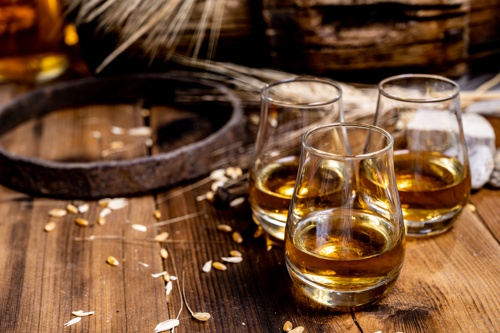
Cask management is another key differentiator. Aging in wine casks such as Sauternes, Burgundy, or Cognac barrels introduces layered flavor profiles that extend beyond traditional whisky maturation approaches.
This combination of technical flexibility and heritage knowledge allows French producers to create distinctive products within a globally competitive market.
Sustainability as Production Logic
Sustainability is increasingly embedded within the production philosophy of French whisky.
Producers such as Domaine des Hautes Glaces integrate organic farming, regenerative agriculture, and localized supply chains into their operations.
This approach goes beyond environmental positioning. It strengthens supply resilience, reduces dependency on global logistics, and aligns with the expectations of a more conscious consumer base.
For hospitality businesses, these factors support both premium positioning and credible storytelling.
Market Momentum and International Demand
French whisky is gaining traction across key export markets, including the United States, Germany, and Japan.
At the same time, international recognition through awards and competitions continues to increase visibility.
For operators, this creates an opportunity to introduce a category that remains underrepresented while already demonstrating strong market potential.
Hospitality Relevance – From Product to Experience
For hospitality businesses, the value of French whisky lies in its versatility as both product and narrative.
Its connection to the wine world makes it particularly suitable for cross-category storytelling and pairing concepts. French whisky integrates naturally into menus that emphasize regional identity and culinary depth.
Pairings with aged cheeses such as Comté or Roquefort, as well as desserts with fruit or vanilla profiles, create opportunities for curated guest experiences.
In addition, distillery partnerships, tasting formats, and thematic flights allow operators to translate product differentiation directly into revenue-generating concepts.
Pricing and Positioning
French whisky spans a broad pricing spectrum.
Entry-level expressions compete with established categories, while premium and limited editions target collectors and high-end consumers.
This flexibility allows hospitality operators to position French whisky across different segments, from accessible introductions to high-margin specialty offerings.
Conclusion – From Curiosity to Strategic Category
French whisky has evolved from a regional curiosity into a relevant component of the modern spirits landscape.
Its combination of terroir, innovation, and cultural depth positions it as a strong complement to established whisky regions.
For hospitality businesses, it offers a clear opportunity to differentiate beverage programs, enhance guest experience, and align with broader industry trends.
As the category continues to develop, its role is likely to expand – not as a replacement, but as a strategically valuable addition to premium hospitality concepts.
Looking to buy, sell or position a hospitality business?
Hogahero connects curated hospitality assets, operators and opportunities.
Create a listing or explore opportunities