Introduction – A New Layer of Urban Hospitality
Gastronomic streets in hospitality are becoming a key driver of urban development and destination building.
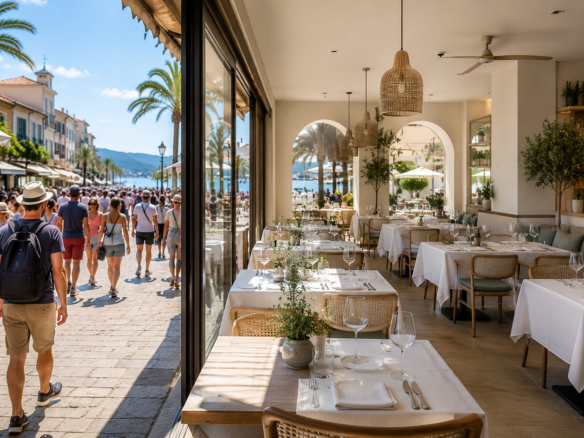
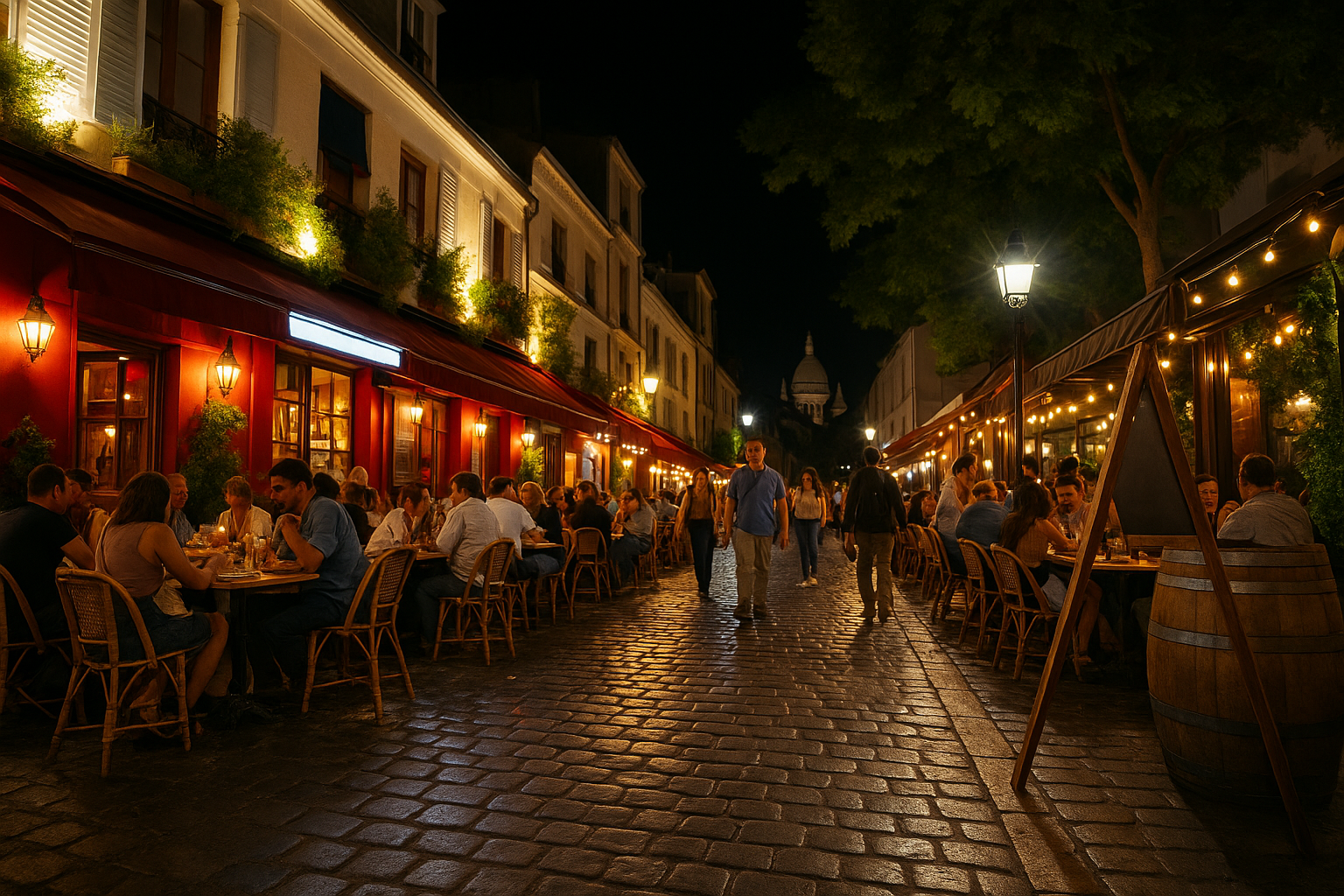
Across global cities, a subtle but powerful shift is redefining how urban space is used. Streets that once served purely as transit corridors are being repositioned as curated hospitality environments.
Through the development of culinary quarters, cities are transforming overlooked districts into walkable destinations where food, culture, and social interaction converge. Hospitality is no longer confined to interiors. It is increasingly embedded within the urban fabric itself.
From Infrastructure to Identity
The transformation of Taras Shevchenko Street in Tashkent illustrates this shift.
What was once a conventional traffic artery has been restructured into a pedestrian-focused culinary zone. Reduced vehicle access, upgraded paving, integrated seating, lighting, and digital infrastructure such as public Wi-Fi and smart wayfinding have turned the street into a continuous hospitality environment.
The strategic focus is not on individual venues, but on the street as a unified experience. Infrastructure becomes identity, and a place of transit becomes a destination.
A Global Model with Local Expression
This development is visible across multiple markets, each shaped by local culture.
In Bali, Seminyak’s Eat Street blends tourism with local dining culture. Copenhagen has transformed industrial areas into contemporary culinary hubs. Taipei’s night markets demonstrate how informal formats can evolve into globally recognized destinations. Barcelona’s dense network of tapas streets sustains local economies, while Singapore’s hawker districts show how tradition and structure can coexist.
Across all examples, the principle remains consistent: hospitality becomes a spatial narrative rather than a collection of standalone businesses.
Gastronomic Streets in Hospitality as a Third Place
Gastronomic streets in hospitality increasingly function as a “third place” – spaces between home and work.
As remote work reshapes urban patterns and reduces office-based foot traffic, these districts become social anchors. They offer environments for interaction, leisure, and informal exchange throughout the day.
In this sense, the gastronomic street becomes the living room of the city, supporting both social cohesion and economic activity.
Designing Culinary Districts as Integrated Systems
Successful gastronomic streets in hospitality are not accidental. They operate as coordinated systems.
Walkability, seating, shade, and lighting form the physical foundation. A clear thematic direction supports positioning, while programming and seasonal variation maintain long-term relevance.
Operational infrastructure plays a critical role. Shared waste systems, coordinated hygiene standards, and digital tools for navigation, reservations, and ordering create efficiency across the district.
Equally important is active curation. A balanced tenant mix, guided by a central vision or management entity, ensures diversity and prevents concept duplication over time.
Managing Time, Density, and Responsibility
High footfall creates both opportunity and operational complexity.
Noise management, waste handling, and mobility must be addressed proactively. Public transport integration and peripheral access points help reduce congestion, while climate-responsive design ensures year-round usability.
Equally critical is time-based utilization. Districts that rely only on evening demand face structural limitations. Multi-use concepts – such as cafés that function as co-working spaces by day and transition into bars in the evening – stabilize traffic across extended operating hours.
This continuous activation strengthens both revenue potential and urban relevance.
Economic Impact and Market Dynamics
Gastronomic streets in hospitality generate economic value through concentration and shared infrastructure.
For operators, proximity to high foot traffic reduces customer acquisition costs and increases visibility. Shared investments in marketing, security, and maintenance further improve operational efficiency.
For entrepreneurs, these districts lower entry barriers by providing immediate access to demand rather than requiring standalone market creation.
This makes gastronomic streets in hospitality a powerful model for urban value creation and business development.
From Venue to Urban Platform
The strategic implication is clear. Hospitality is expanding beyond individual venues into district-level ecosystems.
Value is no longer created solely within a single property, but through its integration into a broader urban narrative. Streets become platforms where multiple operators contribute to a shared experience and amplify each other’s performance.
Conclusion – The Street as the New Stage
Gastronomic streets in hospitality are redefining how cities position themselves and how hospitality operates within them.
By transforming streets into destinations, cities create environments that combine economic activity, cultural expression, and social interaction.
For operators and investors, these districts represent both opportunity and responsibility.
As hospitality continues to move into public space, those who understand how to design, curate, and manage these environments will shape the next phase of urban development.
Looking to buy, sell or position a hospitality business?
Hogahero connects curated hospitality assets, operators and opportunities.
Create a listing or explore opportunities