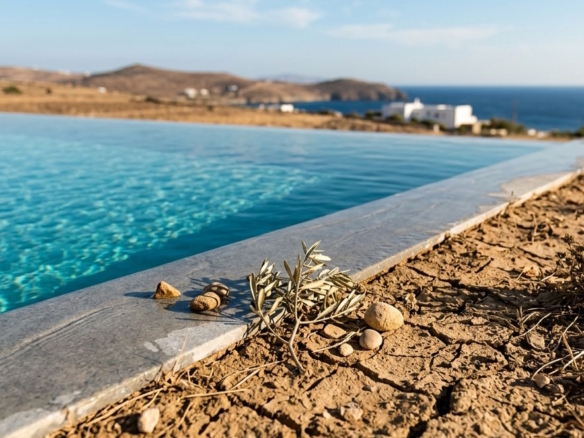

Across Europe, heatwaves are no longer exceptional events. They are becoming a structural component of the summer season, reshaping how, when and where guests engage with hospitality. For restaurants and hotels, rising temperatures are not only an operational challenge but an economic variable that directly influences demand patterns, consumption behavior and guest expectations.
What is emerging is not a temporary disruption, but a shift that requires strategic adaptation. Properties that respond proactively are not simply mitigating risk – they are unlocking new forms of demand.
Demand Is Moving – Not Disappearing
One of the most visible effects of extreme heat is the redistribution of guest activity. Daytime dining weakens, terraces lose momentum and even indoor spaces experience reduced footfall during peak temperatures. Importantly, this decline is rarely compensated in full by evening service.
Guests are not abandoning hospitality – they are recalibrating when and how they consume it. This creates a structural gap in the traditional service curve, particularly for lunch-driven concepts.
Operators who recognise this shift early can reposition their offering accordingly. Late service windows, evening-driven concepts and flexible opening hours are no longer tactical adjustments, but strategic responses to climate-driven behavior.
A Shift in Consumption: From Indulgence to Refreshment
Rising temperatures also influence what guests choose to consume. Heavy meals and alcohol lose appeal, while hydration, freshness and lightness move to the forefront.
Non-alcoholic beverages are no longer a secondary category. House-made infusions, low-sugar spritz concepts, functional drinks and elevated zero-proof pairings are increasingly defining summer menus. This shift aligns with broader wellness trends and opens new margin structures for operators willing to rethink their beverage strategy.
In this context, the question is no longer whether to offer non-alcoholic options, but how to position them as a core part of the experience.
Menu Engineering for Heat Conditions
Menu adaptation becomes a critical lever in maintaining relevance during heatwaves. The focus shifts toward dishes that are digestible, visually appealing and temperature-appropriate.
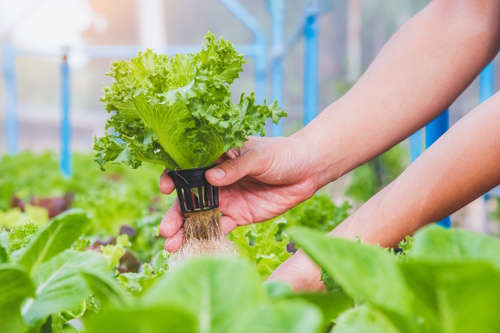
Cold preparations, lightly grilled ingredients, high-water-content produce and seasonal compositions allow kitchens to remain operationally efficient while aligning with guest expectations. Mediterranean patterns, plant-forward dishes and flexible portion sizes become particularly effective.
Equally important is timing. Concepts such as late dinners, sunset menus or evening brunch formats allow operators to re-anchor demand in cooler hours, effectively reshaping the revenue window rather than attempting to defend declining midday traffic.
Comfort as a Competitive Differentiator
In high temperatures, physical comfort becomes a primary decision factor. Guests choose venues not only based on cuisine or brand, but on where they feel relief from the climate.
This elevates cooling infrastructure from a technical detail to a strategic asset. Shaded outdoor areas, misting systems, air circulation and energy-efficient cooling solutions directly influence dwell time and spending behavior.
In urban environments, this increasingly extends to architectural responses. Green façades, vertical gardens and shaded microclimates are no longer aesthetic enhancements but functional tools to counteract urban heat islands and maintain usable outdoor space.
Hotels, in particular, can extend this logic into the room experience. Temperature stability, blackout systems, hydration access and quiet, cooled spaces become part of the perceived value of the stay.
Technology as an Adaptive Layer
Digital infrastructure allows operators to respond dynamically to heat-driven behavior. Reservation systems, pre-ordering, delivery integration and real-time communication channels help redistribute demand and reduce friction.
More advanced applications go further. Data-driven pricing, weather-based adjustments and targeted communication enable properties to align their offer with daily conditions rather than relying on static planning. Concepts such as temperature-linked promotions or “cool-down pricing” illustrate how pricing strategy can actively shape demand rather than simply react to it.
In this context, technology becomes a driver of operational agility, allowing businesses to navigate volatility with greater precision.
Operational Reality: Protecting the Team
Extreme heat places significant strain on staff, particularly in kitchen environments and outdoor service. Sustainable operations require structured responses: adjusted shifts, hydration protocols, adapted uniforms and clear break cycles.
At the same time, heat resilience is becoming a factor in employer positioning. Properties that invest in ventilation, cooled break areas and safe working conditions are not only protecting their teams but strengthening their attractiveness in an increasingly competitive labor market.
Beyond compliance, this is a performance issue. Teams that are physically supported deliver better service, maintain higher consistency and contribute to a more controlled guest experience.
Reframing the Guest Offer Beyond Food
Hotels have an additional advantage: they can expand the definition of value beyond dining. Indoor experiences, wellness formats, curated day-use concepts and partnerships with local institutions allow properties to position themselves as controlled environments within an uncontrolled climate.
This becomes particularly relevant for domestic travelers and staycation demand, where the decision is less about destination and more about immediate comfort and escape.
At the same time, professional standards of care come into sharper focus. Simple measures such as accessible hydration, shaded waiting areas or clearly communicated cooling options increasingly form part of what guests perceive as responsible hospitality.
From Short-Term Reaction to Long-Term Positioning
Climate forecasts indicate that heatwaves will increase in both frequency and intensity. This shifts the conversation from seasonal adjustment to long-term strategy.
Investments in passive cooling, energy efficiency, water management and local sourcing are no longer sustainability add-ons. They are part of operational resilience and brand positioning.
Guests are increasingly aware of these factors, and properties that integrate them credibly strengthen both trust and long-term competitiveness.
Heat as a Catalyst, Not a Constraint
Rising temperatures are often framed as a threat to hospitality performance. In reality, they act as a filter. They expose rigid concepts and reward adaptive ones.
Operators who understand heat not as an external disruption but as a predictable condition can redesign their offering accordingly. Service times shift, menus evolve, spaces are rethought and guest expectations are reframed.
In this environment, success is not defined by resisting change, but by aligning with it. The businesses that manage to do so will not only protect their revenue – they will redefine what summer hospitality can look like.
For owners and operators adapting their concepts or preparing assets for repositioning, targeted visibility plays a critical role.
List your hotel and connect with buyers, investors and operators in hospitality.