The Return of Predictable Demand
Across large parts of the hospitality industry, innovation has become closely associated with constant reinvention. New restaurant concepts, evolving design aesthetics, digital guest experiences and changing food trends dominate industry discussions. At the same time, however, many long-established hospitality businesses continue to generate remarkably stable revenues through concepts that have changed very little over decades.
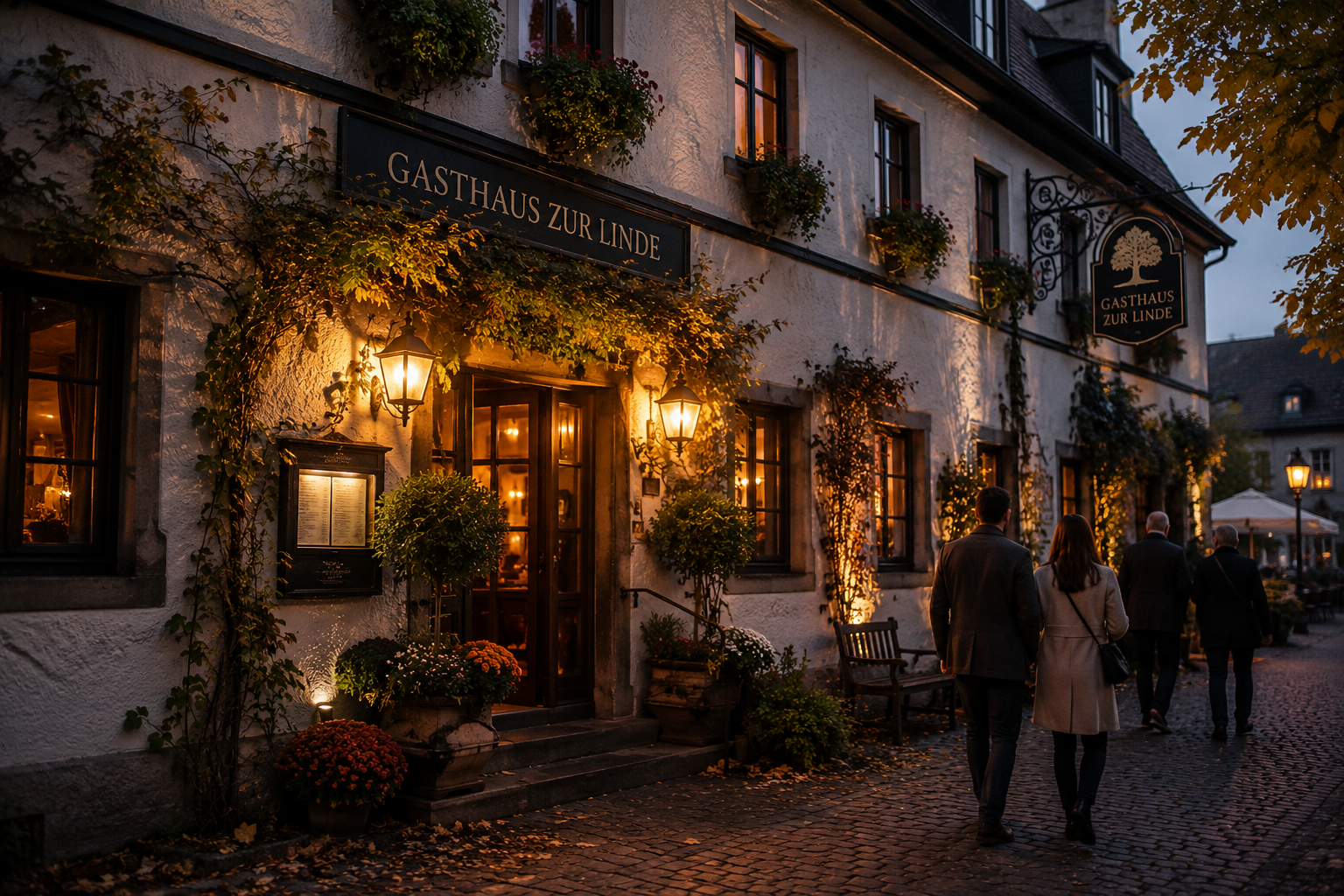
One example can be found in northern Germany’s traditional Grünkohl season. What initially appears to be a regional culinary custom reveals, upon closer inspection, a highly structured and economically resilient hospitality model. In some establishments, reservations for seasonal Grünkohl events begin arriving shortly after the summer period. Entire weekends are often fully booked months before the season itself begins.
For many operators, these events are simply considered part of the annual business cycle. Yet from an operational perspective, they highlight a characteristic that large parts of modern hospitality increasingly struggle to achieve: predictable demand.
More Than a Seasonal Menu
Unlike traditional à la carte business, seasonal hospitality formats concentrate guest demand into clearly defined periods. Guests are not merely purchasing food and beverages. They are participating in a recurring social occasion connected to seasonality, regional identity and group experience.
This dynamic significantly influences booking behaviour. Reservation lead times increase, cancellations become less frequent and guests often display lower price sensitivity when the experience itself carries social and emotional relevance. In many cases, the dining occasion becomes less about the individual dish and more about participation in a familiar annual tradition.
That distinction matters economically. Restaurants competing solely through product innovation frequently operate in highly competitive environments where concepts can quickly become interchangeable. Seasonal traditions, by contrast, benefit from continuity, repetition and established guest routines that are considerably more difficult for competitors to replicate.
Operational Advantages Beyond Guest Experience
The commercial strength of these formats extends well beyond atmosphere or nostalgia. Operationally, they create conditions that many hospitality businesses spend the rest of the year attempting to achieve.
Fixed or semi-fixed menus simplify purchasing and production planning. Ingredient forecasting becomes considerably more reliable, reducing inventory risk and spoilage. Staffing requirements are easier to anticipate, while large group structures improve efficiency across both kitchen and service operations. Beverage revenue, which remains one of the most important profitability drivers within food and beverage operations, frequently benefits from the group-oriented nature of these events.
Importantly, these formats are not direct competitors to fine dining or luxury gastronomy. They operate according to entirely different economic dynamics. While high-end gastronomy often depends on culinary differentiation, individualized service and brand prestige, seasonal hospitality traditions succeed through operational consistency, emotional familiarity and recurring demand patterns.
Particularly during weaker periods outside peak travel seasons, these events can provide valuable revenue stabilization for family-run restaurants, inns and hospitality businesses with strong local positioning.
A Global Hospitality Pattern
This phenomenon is by no means limited to northern Germany or to Grünkohl itself. Similar mechanisms can be observed internationally across a wide range of hospitality traditions.
In Scandinavia, crayfish parties and Christmas buffets continue to generate strong seasonal business. Southern European regions successfully commercialize wine harvests, olive harvests and truffle seasons through integrated hospitality experiences combining accommodation, dining and regional tourism. In the United States, crawfish boils, Thanksgiving dining and regional barbecue festivals operate according to comparable principles. Across Asia, locally anchored seafood seasons, harvest celebrations and festival-related dining traditions fulfil similar economic functions for hospitality operators.
The product itself may differ from country to country. The underlying commercial logic remains remarkably consistent. Time-limited availability, recurring guest behaviour and strong social association create demand patterns that are both emotionally and economically resilient.
Why Tradition Is Becoming Strategically Valuable Again
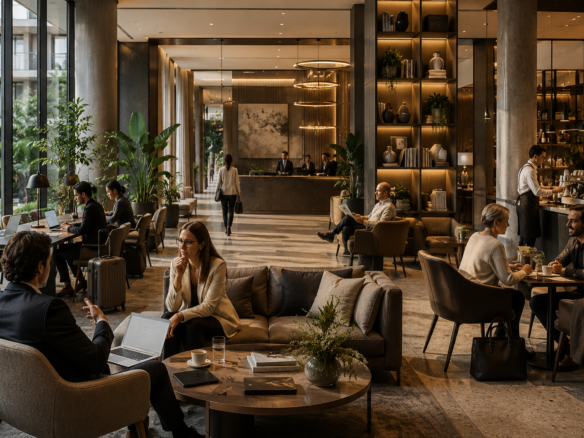
Many hospitality businesses today face increasing challenges in differentiation. Hotel restaurants, lifestyle concepts and urban dining venues often compete within highly saturated markets where interiors, menus and guest experiences have become progressively standardized.
Under these conditions, regional traditions and seasonal hospitality concepts offer something standardized formats frequently struggle to create: cultural identity and emotional familiarity.
This aspect is becoming increasingly relevant not only operationally, but also from an investment and asset-positioning perspective. Hospitality businesses capable of establishing recurring seasonal demand patterns often benefit from stronger customer retention, more stable local brand recognition and reduced dependence on continuous marketing acquisition.
In many cases, these strengths remain underestimated precisely because the concepts themselves appear traditional or unspectacular.
Tradition as a Long-Term Hospitality Asset
The continued success of seasonal hospitality formats should therefore not be dismissed as simple nostalgia or regional sentimentality. Their durability points toward a broader structural development within hospitality itself.
As the industry becomes increasingly globalized, digitalized and operationally standardized, guests are placing growing value on experiences that feel culturally specific, time-limited and socially anchored.
For hospitality operators, investors and owners alike, the question may no longer be whether tradition remains commercially relevant. The more important question may be whether the industry has underestimated the long-term economic durability of ritual-based hospitality models for far too long.
Some of the strongest hospitality concepts were never built around trends in the first place. Owners of established restaurants, inns and hospitality businesses looking for the right successor or buyer can showcase their property through Hogahero’s international hospitality marketplace.
Looking for more hospitality business insights? Explore our Business & Growth section for articles on strategy, operations, investment and industry trends.